Introduction
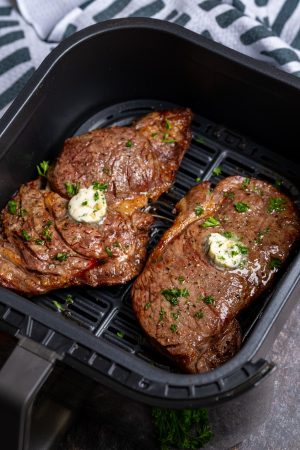
Beef steak is one of the most loved meat dishes in the world, celebrated for its rich flavor, juicy texture, and incredible versatility. From simple family dinners to elegant restaurant meals, steak has earned a reputation as a dish that feels both comforting and luxurious. While many people think that preparing a perfect steak requires expensive equipment or professional culinary skills, the truth is that an outstanding beef steak can be made in any home kitchen with a few quality ingredients and the right cooking techniques. A well-cooked steak is all about respecting the natural flavor of the beef, using proper seasoning, cooking it over high heat to create a flavorful crust, and allowing it to rest before serving. These simple steps make all the difference and turn an ordinary piece of meat into an unforgettable meal.
The beauty of beef steak lies in its simplicity. Unlike recipes that require long ingredient lists or complicated preparation, steak depends on the quality of the beef itself. Good marbling, proper seasoning, and careful cooking allow the natural flavors to shine. Whether you choose ribeye, sirloin, striploin, T-bone, porterhouse, or tenderloin, each cut has its own unique characteristics while sharing the same rich, satisfying beef flavor. Ribeye is prized for its abundant marbling and buttery tenderness, sirloin offers excellent flavor with a firmer bite, tenderloin is exceptionally soft and delicate, while striploin provides the perfect combination of tenderness and bold beef taste. Every cut can become extraordinary when cooked with patience and attention.
One of the most rewarding aspects of preparing beef steak at home is the ability to control every step of the cooking process. You decide how much seasoning to use, how long to cook the steak, and exactly how done you want it to be. Some people enjoy a rare steak with a cool, red center, while others prefer medium-rare for maximum tenderness. Medium offers a balance between juiciness and firmness, while medium-well and well-done satisfy those who prefer thoroughly cooked meat. Regardless of personal preference, using an instant-read thermometer helps ensure perfect results every time.
The aroma that fills the kitchen while steak cooks is enough to make anyone hungry. As butter melts into the hot pan and fresh garlic begins to caramelize alongside rosemary and thyme, the fragrance becomes rich, warm, and inviting. The steak develops a beautifully browned crust while the inside remains juicy and tender. Butter continuously spooned over the meat during cooking creates an irresistible finish that enhances both flavor and texture. This simple technique, known as butter basting, is often used by professional chefs because it creates a steak that is moist, glossy, and packed with flavor.
Steak is also one of the most versatile main dishes because it pairs well with countless side dishes and sauces. Creamy mashed potatoes, roasted baby potatoes, buttered vegetables, grilled asparagus, sautéed mushrooms, steamed broccoli, garlic bread, baked potatoes, rice pilaf, macaroni and cheese, fresh salads, onion rings, corn on the cob, and roasted carrots all complement steak beautifully. Sauces such as peppercorn sauce, mushroom cream sauce, garlic herb butter, chimichurri, Béarnaise sauce, and red wine reduction each bring their own unique character while allowing the beef to remain the star of the meal.
Besides its outstanding taste, beef steak is also highly nutritious. It provides complete protein containing all the essential amino acids needed for muscle maintenance and repair. It is naturally rich in iron, zinc, phosphorus, selenium, vitamin B12, niacin, and several other B vitamins that contribute to energy production and overall health. Combined with vegetables and whole-grain side dishes, steak becomes part of a balanced and nourishing meal that is both filling and satisfying.
Cooking steak at home is not just about preparing food; it is about creating an enjoyable experience. The process of seasoning the meat, heating the skillet until it is perfectly hot, listening to the satisfying sizzle when the steak touches the pan, and finally slicing into a perfectly cooked piece of beef creates a sense of accomplishment that makes homemade meals even more enjoyable. Whether served for a quiet family dinner, a weekend gathering, a birthday celebration, or a holiday meal, beef steak always feels special. It is one of those recipes that never goes out of style because it combines simple ingredients with timeless cooking techniques to create a meal that everyone looks forward to.
This recipe is designed to help you prepare tender, juicy, and flavorful beef steak with confidence. Every step focuses on maximizing flavor while preserving moisture, ensuring that each bite is rich, succulent, and satisfying. With garlic, butter, fresh herbs, and perfectly seasoned beef, this recipe delivers restaurant-quality results while remaining easy enough for everyday home cooking. Once you master this method, you will have a reliable recipe that can be enjoyed throughout the year for both casual meals and memorable occasions.
Recipe
Preparation Time
Preparation Time: 20 minutes
Optional Marinating Time: 30 minutes
Cooking Time: 10–15 minutes
Resting Time: 10 minutes
Total Time: About 1 hour 15 minutes
Servings: 4
Ingredients
2 large beef steaks (ribeye, sirloin, striploin, or tenderloin), about 1 inch thick
2 tablespoons olive oil
2 tablespoons unsalted butter
5 garlic cloves, lightly crushed
2 sprigs fresh rosemary
2 sprigs fresh thyme
1 teaspoon coarse salt
1 teaspoon freshly ground black pepper
1 teaspoon paprika
1 teaspoon garlic powder
1 teaspoon onion powder
½ teaspoon dried oregano
½ teaspoon crushed red pepper flakes (optional)
1 teaspoon Worcestershire sauce (optional)
1 teaspoon Dijon mustard (optional)
1 tablespoon chopped fresh parsley
1 teaspoon lemon juice (optional)
Instructions
- Remove the steaks from the refrigerator about thirty minutes before cooking. This helps them cook evenly from edge to center. Pat both sides completely dry with paper towels because moisture prevents proper browning.
- Rub the steaks with olive oil. If using Worcestershire sauce and Dijon mustard, spread a thin layer over both sides. Mix together the salt, black pepper, paprika, garlic powder, onion powder, oregano, and optional red pepper flakes. Sprinkle the seasoning evenly over every side of the steaks, pressing gently so it adheres to the meat.
- Heat a heavy cast-iron skillet over medium-high to high heat until extremely hot. Place the steaks into the skillet without overcrowding. Let them cook undisturbed for three to four minutes to develop a rich brown crust. Flip the steaks using tongs rather than a fork to avoid piercing the meat.
- Immediately add the butter, crushed garlic, rosemary, and thyme to the pan. As the butter melts, tilt the skillet slightly and continuously spoon the hot butter over the steaks. This butter-basting process keeps the meat moist while adding layers of garlic and herb flavor.
- Continue cooking until the steaks reach your preferred internal temperature. For rare, cook to 120–125°F (49–52°C). For medium-rare, cook to 130–135°F (54–57°C). For medium, cook to 140–145°F (60–63°C). For medium-well, cook to 150–155°F (66–68°C). For well-done, cook to at least 160°F (71°C).
- Transfer the cooked steaks onto a warm plate. Spoon some of the garlic butter over the top and loosely cover with foil. Allow the steaks to rest for ten minutes before slicing. Resting allows the juices to redistribute throughout the meat, making every bite tender and juicy.
- For extra flavor, place the skillet back over medium heat. Stir the remaining butter together with the caramelized garlic and herbs. Add two tablespoons of beef broth or water and scrape up all the browned bits from the bottom of the pan. Simmer for one to two minutes to create a simple pan sauce. Spoon this sauce over the rested steak before serving.
Serving Suggestions
- Serve the steak with creamy mashed potatoes, roasted baby potatoes, grilled vegetables, buttered corn, sautéed mushrooms, roasted asparagus, steamed broccoli, garlic bread, baked potatoes, fresh green salad, rice pilaf, buttered noodles, macaroni and cheese, onion rings, roasted carrots, grilled zucchini, or crispy fries. Finish with chopped parsley and a squeeze of fresh lemon juice if desired.
Flavor Variations
- For a pepper steak, coat both sides generously with freshly cracked black pepper before cooking. For a smoky flavor, replace regular paprika with smoked paprika. Add cayenne pepper for extra heat, top with blue cheese butter for a steakhouse-style finish, or serve with mushroom cream sauce or chimichurri for a completely different flavor profile.
Storage
- Store leftover steak in an airtight container in the refrigerator for up to three days. Reheat gently in a skillet with a little butter over low heat. Leftover steak is excellent sliced into sandwiches, wraps, tacos, salads, fried rice, pasta, or grain bowls. Freeze tightly wrapped portions for up to three months and thaw overnight before reheating.
Helpful Tips
- Choose steaks with plenty of marbling for the juiciest results. Always pat the meat dry before seasoning. Heat the skillet thoroughly before adding the steak. Avoid moving the steak while it is searing to allow a proper crust to develop. Use fresh herbs whenever possible for the best aroma. Butter should be added after flipping to prevent burning. Always allow the steak to rest before slicing and cut against the grain for maximum tenderness.
Nutritional Benefits
- Beef steak is naturally high in complete protein and rich in iron, zinc, vitamin B12, phosphorus, selenium, and niacin. These nutrients support muscle growth, healthy blood cells, energy production, immune function, and overall wellness. When paired with fresh vegetables and wholesome side dishes, steak becomes a balanced and satisfying meal suitable for many occasions.