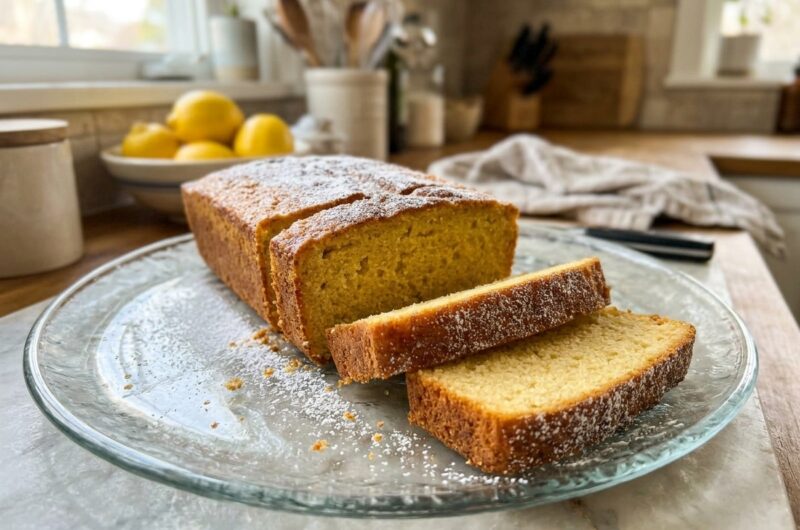
Easy yogurt cake is a wonderful choice when you want a homemade dessert without complicated baking techniques or special equipment. Made with Greek yogurt, extra virgin olive oil, eggs, flour, and a few everyday pantry ingredients, this cake has a soft crumb, a delicate flavor, and a pleasantly moist texture. It is simple enough for beginner bakers yet delicious enough to serve to family and guests on almost any occasion.
Unlike traditional butter cakes, this Greek yogurt cake uses olive oil as its main source of fat. The combination of oil and yogurt helps create a tender cake that stays enjoyable for several days when stored properly. There is no need for frosting, elaborate decorations, or a stand mixer. A couple of mixing bowls, a whisk, a spatula, and a loaf pan are all you need to prepare this easy homemade cake.
The finished cake has a gentle sweetness and a subtle vanilla flavor that works well with many different toppings. You can enjoy a slice plain, sprinkle it with powdered sugar, or serve it alongside fresh fruit and lightly sweetened Greek yogurt. Its versatility makes it suitable for breakfast treats, afternoon tea, coffee breaks, and casual desserts after dinner.
What Makes This Greek Yogurt Cake Special?
A Simple Recipe with Everyday Ingredients
One of the best features of this easy yogurt cake recipe is its short ingredient list. Most of the ingredients are common baking staples, so you can often prepare it without making a special trip to the grocery store. All-purpose flour provides structure, while baking powder and baking soda help the batter rise during baking. Eggs bring the ingredients together and contribute to the cake’s soft texture.
Greek yogurt gives the cake its characteristic moisture and a mild tang that balances the sugar. Extra virgin olive oil adds richness without the need to soften or melt butter before mixing. Vanilla extract rounds out the flavor, making the cake taste pleasantly sweet without requiring a thick layer of icing.
The straightforward preparation is another advantage. You do not need to cream butter and sugar, whip egg whites, or prepare several complicated mixtures. Instead, combine the dry ingredients in one bowl, mix the wet ingredients in another, and gently bring everything together. This practical method makes the recipe approachable for anyone learning how to bake a homemade cake.
Moist Texture Without Butter or Frosting
A moist cake depends on the balance of its ingredients, and this recipe uses yogurt and oil to achieve a tender result. Olive oil remains liquid at room temperature, helping the cake retain a soft mouthfeel after cooling. Greek yogurt contributes moisture and a creamy consistency, while its slight acidity works with the baking soda to support the cake’s rise.
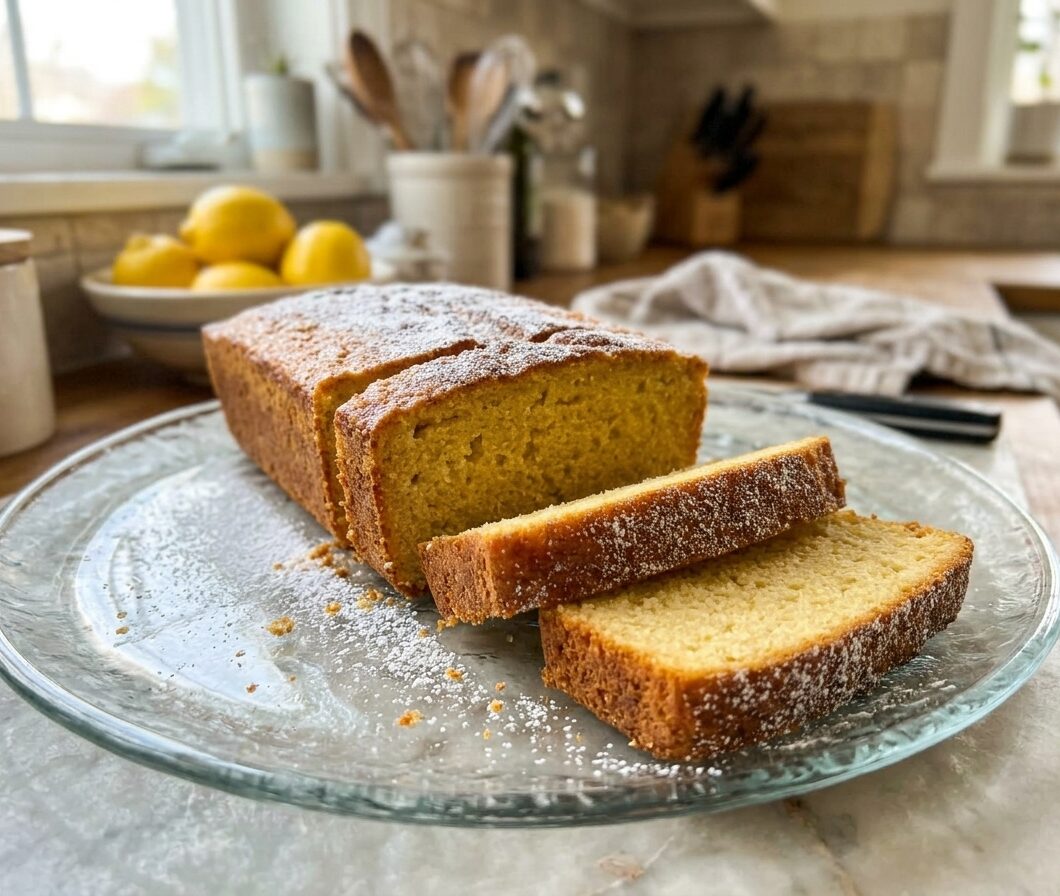
Because the cake already has a pleasant flavor and tender texture, frosting is entirely optional. A light dusting of powdered sugar provides an attractive finish without making the dessert overly sweet. Fresh berries, sliced peaches, or a spoonful of fruit compote can add color and freshness when you want to serve it as a more complete dessert.
The absence of butter does not mean the cake lacks richness. Olive oil provides its own distinctive character, while the eggs, sugar, and yogurt create a balanced crumb. For the most neutral result, use an extra virgin olive oil whose flavor you enjoy, as stronger varieties may contribute noticeable fruity or peppery notes to the finished cake.
Ingredients That Make the Cake Work
Greek Yogurt
Greek yogurt is one of the most important ingredients in this recipe. Its thick consistency adds moisture without making the batter excessively watery, and its mild acidity complements the sweetness of the sugar. Plain, unsweetened Greek yogurt is the best choice because it allows you to control the cake’s sweetness and preserves the intended balance of flavors.
For consistent results, measure the yogurt accurately. If you use a particularly watery yogurt, the batter may become thinner than expected and the final texture can change. Full-fat Greek yogurt generally creates a richer result, although other varieties may work if their consistency is similar. Avoid flavored yogurt unless you deliberately want to introduce additional sweetness or flavor.
Extra Virgin Olive Oil
Olive oil replaces butter in this simple yogurt cake, making preparation especially convenient. Since the oil is already liquid, you can whisk it directly into the wet ingredients without waiting for anything to soften. It also helps keep the cake tender after it cools, which is useful when baking ahead for several days of snacks.
The flavor of extra virgin olive oil can vary from mild and buttery to grassy and peppery. A mild or medium-intensity variety is a good starting point if you want the vanilla and yogurt flavors to remain prominent. You do not need to eliminate the olive oil’s natural taste completely; a subtle fruity note can make this cake particularly enjoyable with coffee or tea.
Flour, Eggs, and Leavening Agents
All-purpose flour provides the structure needed for a loaf-shaped cake that slices neatly. Baking powder supplies leavening, while baking soda works alongside the acidity of the yogurt. Together, these ingredients help the cake rise and develop a soft interior. Accurate measurement is important because too much flour can produce a dry or dense cake, while too much leavening may affect its texture.
The eggs help bind the ingredients and provide structure as the cake bakes. Large eggs are specified in the recipe, so use that size for the most reliable results. Whisking the eggs with the yogurt, sugar, olive oil, and vanilla distributes the wet ingredients evenly before the flour mixture is added.
Sugar and Vanilla Extract
Granulated sugar sweetens the cake and contributes to its texture. It also helps the surface develop color during baking. The specified amount gives the loaf a dessert-like sweetness without requiring an additional frosting. If you plan to serve the cake with sweet fruit or ice cream, the existing sweetness should still provide a good foundation for those additions.
Vanilla extract brings warmth and a familiar bakery-style aroma. Although it is used in a relatively small amount, it complements the yogurt and olive oil while making the overall flavor feel more rounded. Use pure vanilla extract or a suitable vanilla flavoring, depending on what you have available, while keeping the quantity consistent with the recipe.
Equipment Needed for Homemade Yogurt Cake
Prepare a Loaf Pan and Mixing Bowls
This recipe is designed for a standard 9-by-5-inch loaf pan. Greasing the pan with olive oil or baking spray helps prevent sticking, while parchment paper makes it easier to remove the baked cake without damaging its sides. Leave a little parchment overhanging two sides so you can use it to lift the loaf out after the initial cooling period.
You will also need a medium bowl for the dry ingredients and a larger bowl for the wet ingredients. A whisk is useful for combining both mixtures, and a rubber spatula helps incorporate the flour without excessive mixing. A wire rack provides airflow around the cake as it cools, reducing the chance of a damp underside.
Preheat the Oven Properly
Set the oven to 350°F, approximately 175°C, before preparing the batter. Allow enough time for the oven to reach the correct temperature, as placing a cake in an oven that is still heating can affect its rise and baking time. If your oven tends to run hot or cold, an oven thermometer can help you identify temperature differences.
Position the rack near the center of the oven so the loaf receives reasonably even heat. Before baking, make sure the pan fits comfortably without touching the oven walls. These simple preparation steps help you avoid common problems such as uneven browning, an underbaked center, or an overly dark crust.
Easy Variations and Serving Ideas
Add Citrus Flavor
Lemon or orange zest can complement the yogurt and olive oil beautifully. If you want a citrus variation, add finely grated zest to the wet mixture before incorporating the flour. Zest gives the cake a fresh aroma without requiring a major change to the recipe. Keep the original ingredient quantities intact when making the basic version, and treat additional flavorings as optional variations.
Serve with Fresh Berries or Fruit Compote
Fresh strawberries, blueberries, raspberries, or sliced peaches pair well with the cake’s mild sweetness. You can arrange fruit alongside each slice or spoon a small amount of fruit compote over the top immediately before serving. This approach adds color and a juicy contrast while keeping the cake itself simple and easy to prepare.
Try Chocolate, Almond, or Warm Spices
For a different flavor profile, chocolate chips, almond flavoring, cinnamon, or a suitable spice blend can be considered as optional additions. These changes create variations on the basic yogurt cake rather than replacing the original method. If you experiment with extra ingredients, remember that additions affecting moisture or the balance of dry ingredients may change the baking time and final texture.
Make It a Simple Dessert for Guests
This loaf cake is suitable for informal gatherings because it can be baked in advance and served without elaborate decoration. Arrange the slices on a serving plate with powdered sugar and a bowl of fresh fruit, or offer Greek yogurt and ice cream separately so everyone can choose their preferred topping. Its uncomplicated presentation suits afternoon tea, weekend visits, and family meals.
Storage and Make-Ahead Instructions
How to Store Yogurt Cake at Room Temperature
Once the cake has cooled completely, wrap it tightly or place it in an airtight container. The recipe indicates that it can be kept at room temperature for up to four days when tightly wrapped. Keep it in a cool, dry place away from direct sunlight and heat, and avoid wrapping it while warm because trapped steam can make the surface damp.
For the best texture, cut only the number of slices you plan to serve and keep the remaining loaf covered. This reduces exposure to air and helps prevent the cut surfaces from drying out. If your kitchen is unusually hot or humid, use your judgment about storage conditions and refrigerate the cake if room-temperature storage is unsuitable.
Can You Prepare It Ahead of Time?
Yes, this cake is convenient for preparing ahead because it does not require frosting or last-minute assembly. You can bake it the day before serving, allow it to cool fully, and keep it tightly wrapped until needed. Add powdered sugar and fresh fruit shortly before serving so the topping looks fresh and the fruit does not release excess moisture onto the cake.
Frequently Asked Questions
Why Is My Yogurt Cake Dense?
A dense texture can result from too much flour, overmixing, inaccurate leavening measurements, or removing the cake before it has risen and baked properly. Measure the ingredients carefully, whisk the dry mixture evenly, and stop mixing as soon as the flour is incorporated. Also make sure your baking powder and baking soda are fresh and that your oven is fully preheated.
How Do I Know When the Cake Is Fully Baked?
The most reliable simple test is to insert a toothpick into the center of the loaf. It should emerge clean or with a few dry crumbs rather than wet batter. The surface should be set, and the middle should not look liquid. Since baking times vary between ovens, use the toothpick test alongside the recommended 50-to-55-minute baking window.
Can I Serve This Cake Without Toppings?
Absolutely. The combination of Greek yogurt, olive oil, sugar, and vanilla provides enough flavor for the cake to be enjoyed on its own. Powdered sugar, fresh fruit, and lightly sweetened Greek yogurt are optional serving suggestions rather than necessary components. Leaving the cake plain also makes it easy to pack a slice for a snack or serve with a hot drink.
What Is the Best Way to Get Neat Slices?
Let the cake cool completely before cutting it with a sharp, preferably serrated, knife. Use a gentle sawing motion rather than pressing down firmly, which can compress the soft crumb. If the loaf is still warm, wait longer before slicing. A fully cooled cake is easier to handle and generally produces cleaner, more attractive pieces.
Can I Change the Olive Oil?
Extra virgin olive oil is part of the recipe’s intended flavor and texture, so it is best to use the specified ingredient when preparing the original version. Choose a variety with a flavor you enjoy, especially if you prefer a delicate cake. Substituting another oil may change the flavor profile, so any substitution should be treated as a variation rather than the exact original recipe.
Easy Yogurt Cake
 Recipe by admin1
A soft, moist Greek yogurt cake made with extra virgin olive oil, vanilla, and simple pantry ingredients. This easy loaf cake needs no butter, frosting, or special equipment.
10
servings5
minutes50
minutes55
minutesIngredients
- For the Cake
1½ cups (180 g) all-purpose flour
1½ teaspoons baking powder
½ teaspoon baking soda
½ teaspoon kosher salt
1 cup (227 g) Greek yogurt
1 cup (200 g) granulated sugar
3 large eggs
½ cup extra virgin olive oil
1 teaspoon vanilla extract
Directions
- Preheat the oven to 350°F (175°C). Grease a 9 × 5-inch loaf pan with olive oil or baking spray, then line the bottom and two sides with parchment paper, leaving an overhang.
- Whisk the flour, baking powder, baking soda, and kosher salt together in a medium bowl until evenly combined.
- In a large bowl, whisk together the Greek yogurt, sugar, eggs, olive oil, and vanilla extract until smooth.
- Add the dry ingredients to the wet mixture. Fold gently with a rubber spatula just until no dry flour remains. Avoid overmixing.
- Transfer the batter to the prepared pan and smooth the surface. Bake for 50–55 minutes, checking with a toothpick inserted into the center. It should come out clean or with a few dry crumbs.
- Leave the cake in the pan for 10 minutes. Lift it out using the parchment overhang and transfer it to a wire rack to cool completely.
- Dust with powdered sugar if desired. Slice and serve plain or with lightly sweetened Greek yogurt and fresh fruit.