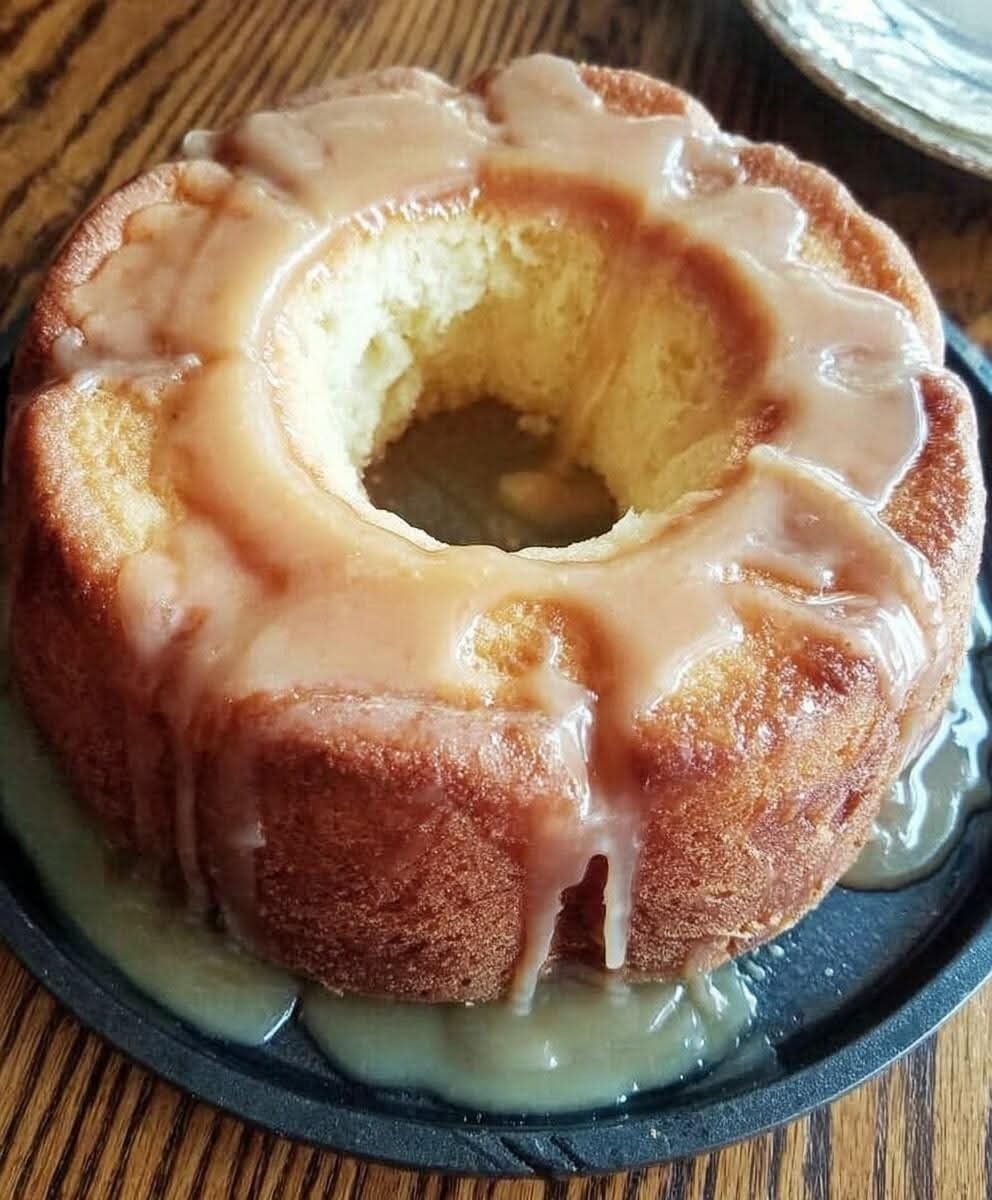
A moist buttermilk vanilla Bundt cake is a wonderful choice when you want a homemade dessert that looks beautiful and tastes even better. Made with simple baking ingredients, this soft and buttery cake has a delicate vanilla flavor, a tender crumb, and a rich texture that makes every slice enjoyable.
A smooth vanilla buttermilk glaze adds another layer of sweetness, while colorful rainbow sprinkles give the cake a cheerful finishing touch. Whether you are preparing dessert for a family gathering, birthday celebration, holiday table, or weekend treat, this vanilla Bundt cake is easy to serve and always makes an inviting centerpiece.
One of the best things about this homemade vanilla Bundt cake is its balanced flavor. It is sweet without being overwhelming, rich without feeling too heavy, and moist enough to enjoy without an additional filling or frosting. Buttermilk gives the cake a pleasant tenderness, while melted butter provides the familiar flavor of traditional homemade baking.
The vanilla brings everything together, creating a classic cake that appeals to both children and adults. If you enjoy simple vanilla desserts with a soft texture and beautiful appearance, this recipe deserves a place in your baking collection.
What Makes This Buttermilk Vanilla Bundt Cake Special?
A Soft and Moist Cake Texture
The texture is one of the main reasons this buttermilk vanilla cake is so enjoyable. A good Bundt cake should be soft and tender, with enough structure to hold its shape when removed from the pan. This recipe combines cake flour, buttermilk, eggs, and melted butter to create that desirable texture. Cake flour helps produce a finer crumb than many standard all-purpose flour cakes, while the liquid ingredients keep the batter moist during baking. When baked correctly, each slice has a delicate consistency that feels light while still delivering plenty of buttery richness.
Rich Butter and Sweet Vanilla Flavor
Butter and vanilla are the foundation of this homemade cake. Melted unsalted butter gives the batter a rich flavor that works beautifully with the sweetness of granulated sugar. Vanilla adds a warm, familiar aroma that makes the cake taste like a traditional bakery-style dessert. You can use the seeds from a vanilla bean for a more distinctive vanilla appearance and flavor, or choose vanilla extract for convenience. Both options work well, so you can prepare the cake according to the ingredients you have available.
A Smooth Buttermilk Vanilla Glaze
Instead of using a heavy layer of buttercream frosting, this recipe finishes the cake with a simple vanilla buttermilk glaze. Confectioners’ sugar creates a smooth and sweet base, while buttermilk helps adjust the consistency and adds a gentle tanginess. Vanilla extract gives the icing a pleasant aroma that complements the cake underneath. Once poured over the cooled Bundt cake, the glaze settles across the top and naturally runs down the sides, creating an attractive finish without requiring complicated decorating techniques.
Why Use Buttermilk in Vanilla Bundt Cake?
Buttermilk is an important ingredient because it helps create a softer and more tender cake. Its slightly acidic nature works with the other ingredients to support a delicate crumb, while its creamy consistency adds moisture to the batter. Compared with using plain water or milk alone, buttermilk gives baked goods a distinctive richness and a mild tangy flavor. This quality is especially useful in vanilla cakes because it balances the sweetness and makes the finished dessert taste more flavorful.
Another benefit of buttermilk is how well it complements baking powder. When the wet and dry ingredients are combined, the batter develops the structure needed to rise during baking. The result is a cake that feels soft but still holds together when sliced. For the best results, measure the buttermilk accurately and avoid replacing it with a different liquid unless you are intentionally adapting the recipe. Using the original ingredient helps maintain the expected texture and flavor.
How to Make Buttermilk Vanilla Bundt Cake
Prepare the Oven and Bundt Pan
Start by preheating your oven to 350°F. Preparing the oven before mixing the batter helps ensure that the cake goes into a properly heated environment. Generously grease your Bundt pan, paying attention to the center tube, decorative grooves, and other detailed areas. This step is particularly important because Bundt pans often have intricate shapes that can make releasing the cake more challenging. A properly greased pan helps the cake come out cleanly while keeping its attractive shape.
Mix the Butter and Sugar
Place the granulated sugar and melted unsalted butter into the bowl of a stand mixer fitted with a paddle attachment. Beat the mixture on medium speed for approximately two minutes, or until it looks creamy and evenly combined. This step helps distribute the butter throughout the sugar and creates a smooth starting point for the batter. Scrape down the sides of the bowl if necessary so that no large amounts of sugar or butter remain stuck around the edges.
Add the Eggs One at a Time
Add the room-temperature eggs individually, beating well after each addition. Allow each egg to become incorporated before adding the next one. This approach helps maintain a smooth batter and distributes the eggs more evenly throughout the mixture. Once the eggs are combined, reduce the mixer speed to medium-low. Pour in the buttermilk and add the vanilla bean seeds or vanilla extract. Mix until the wet ingredients are evenly combined.
Incorporate the Dry Ingredients
Add the cake flour, baking powder, and salt to the mixing bowl. Beat on low or medium-low speed just until the ingredients form a smooth batter. Avoid mixing longer than necessary because excessive mixing can affect the cake’s delicate texture. Stop the mixer when the flour is incorporated and no large dry patches remain. Scrape the bowl gently if needed, making sure the batter is evenly mixed without unnecessary additional beating.
Transfer the Batter to the Pan
Pour the prepared vanilla cake batter into the greased Bundt pan. Spread it evenly so that the mixture reaches the different sections of the pan. Gently smooth the surface with a spatula if needed. Avoid filling the pan beyond its appropriate capacity. An evenly distributed batter helps the cake bake more consistently and gives it a balanced shape when turned out of the pan.
Bake Until the Cake Is Fully Cooked
Place the Bundt pan in the preheated oven and bake for approximately 35 to 45 minutes, following the recipe’s doneness instructions. Baking time can vary depending on your oven and the design of your pan, so begin checking toward the earlier part of the baking window. Insert a toothpick into the center of the cake. If it comes out clean or with only a few moist crumbs attached, the cake is ready. If wet batter remains on the toothpick, continue baking and check again after a few minutes.
Cool and Release the Bundt Cake
Once baked, remove the pan carefully from the oven and allow the cake to settle briefly. Gently loosen the edges with a butter knife, taking care not to damage the cake or scratch a nonstick pan. Turn the cake out onto a wire rack and allow it to cool completely. Do not pour the icing over a warm cake because the glaze may become too thin and run off instead of creating an attractive coating.
How to Make Vanilla Buttermilk Icing
Combine the Glaze Ingredients
While the cake cools, prepare the vanilla buttermilk icing. Add the sifted confectioners’ sugar, buttermilk, and vanilla extract to a medium-sized mixing bowl. Whisk everything together until the mixture becomes smooth and free of visible lumps. Sifting the confectioners’ sugar beforehand makes this step easier and helps produce a more consistent glaze. The vanilla gives the icing a pleasant flavor, while buttermilk provides the liquid needed to bring the sugar together.
Adjust the Glaze Consistency
The consistency of the glaze makes a difference in the final appearance of your cake. It should be thick enough to stay on the surface for a moment but fluid enough to pour naturally over the Bundt shape. If the icing feels too thick, add more buttermilk one tablespoon at a time. If it becomes too thin, gradually mix in additional confectioners’ sugar, using two tablespoons at a time. Make small adjustments until the desired consistency is reached.
Decorate with Vanilla Glaze and Sprinkles
After the cake has cooled completely, place it on a serving plate or cake stand. Slowly pour the prepared vanilla glaze over the top, allowing it to flow naturally down the sides. You do not need to cover every section perfectly because the glaze looks attractive when it creates different patterns along the Bundt cake. Add rainbow sprinkles while the icing is still wet so they stick to the surface. Let the glaze settle before cutting and serving.
How to Store Vanilla Buttermilk Bundt Cake
Store leftover cake in an airtight container to help protect its moisture and keep the surface from drying out. If your kitchen is cool and the cake will be eaten within a short period, it can be kept covered at room temperature. For longer storage, refrigeration is an option, particularly in a warm environment. Keep the cake protected from other strong-smelling foods so its delicate vanilla flavor remains enjoyable.
When refrigerated, allow individual slices to sit at room temperature briefly before serving if you prefer a softer texture. This helps the butter-rich cake become more tender instead of feeling firm straight from the refrigerator. Keep the cake covered whenever possible, especially after cutting, because exposed slices can lose moisture more quickly. For the best eating experience, serve the cake when its texture is soft and the glaze has had time to settle.
Frequently Asked Questions
Can I Use Vanilla Extract Instead of a Vanilla Bean?
Yes, vanilla extract is a convenient alternative to a vanilla bean in this recipe. The ingredient list allows you to use one vanilla bean or two teaspoons of vanilla extract in the cake batter. Both options provide the familiar vanilla flavor that makes this dessert so appealing. If you choose a vanilla bean, cut it lengthwise and scrape out the seeds before adding them to the batter.
Why Is My Vanilla Bundt Cake Dry?
A dry cake can result from overbaking, inaccurate ingredient measurements, or using too much flour. Check the cake toward the beginning of the recommended baking window and remove it once a toothpick comes out clean or with a few crumbs attached. Accurate measuring is also important because too much flour can make the finished cake heavier and less moist.
How Do I Stop the Cake from Sticking to the Bundt Pan?
Grease the entire inside of the pan carefully before adding the batter. Pay particular attention to the center tube, corners, and decorative details. After baking, gently loosen the edges with a butter knife and turn the cake onto a wire rack. Avoid forcing it out because that can break the cake and damage its shape.
When Should I Add the Vanilla Glaze?
Always allow the Bundt cake to cool completely before adding the glaze. If the cake is still warm, the icing may become runny and disappear into the surface. Once cooled, pour the glaze slowly over the top and allow it to flow down the sides. Add the sprinkles before the icing sets so they remain attached.
Can I Make This Cake Without Sprinkles?
Absolutely. Rainbow sprinkles are optional and are mainly included for decoration. You can leave them out and enjoy the cake with its simple vanilla buttermilk icing. The glazed Bundt cake will still look attractive and taste delicious without additional toppings.
Moist Buttermilk Vanilla Bundt Cake with Butter
 Recipe by admin1
A soft, buttery vanilla Bundt cake made with buttermilk and topped with a smooth vanilla buttermilk glaze and colorful rainbow sprinkles. This easy homemade dessert is perfect for birthdays, family gatherings, and afternoon treats.
1
servings10
minutes45
minutes55
minutesIngredients
- For the Vanilla Bean Buttermilk Bundt Cake:
1 cup granulated sugar
1/2 cup unsalted butter, melted
2 large eggs, at room temperature
3/4 cup buttermilk
1 vanilla bean or 2 teaspoons vanilla extract
2 cups cake flour
2 teaspoons baking powder
1/2 teaspoon salt
- For the Vanilla Buttermilk Icing:
2 cups confectioners’ sugar, sifted
3–4 tablespoons buttermilk
1 1/2 teaspoons vanilla extract
1/2 cup rainbow sprinkles (optional)
Directions
- Prepare the Bundt Pan
Preheat the oven to 350°F.
Generously grease a Bundt pan and set aside. - Make the Cake Batter
Beat the granulated sugar and melted butter in a stand mixer fitted with a paddle attachment on medium speed for approximately 2 minutes, until creamy and combined.
Add the eggs one at a time, beating well after each addition.
Reduce the mixer speed to medium-low. Add the buttermilk and vanilla, mixing until combined.
Add the cake flour, baking powder, and salt. Mix just until the batter becomes smooth. - Bake the Cake
Pour the prepared batter into the greased Bundt pan.
Bake for 35–45 minutes, or until a toothpick inserted into the center comes out clean or with a few crumbs attached.
Carefully loosen the cake from the pan using a butter knife.
Turn the cake onto a wire rack and allow it to cool completely. - Prepare the Vanilla Buttermilk Icing
Combine the sifted confectioners’ sugar, buttermilk, and vanilla extract in a medium-sized bowl.
Whisk until completely smooth.
If the glaze is too thick, add more buttermilk one tablespoon at a time.
If the glaze is too thin, add more confectioners’ sugar two tablespoons at a time. - Decorate the Cake
Pour the prepared vanilla glaze over the completely cooled Bundt cake.
Add rainbow sprinkles while the glaze is still wet, if desired.
Allow the icing to settle before slicing and serving.
Notes
- If using a vanilla bean, cut it in half lengthwise and scrape the seeds from the inside before adding them to the batter.
- Vanilla extract can be used instead of a vanilla bean.
- Grease the Bundt pan thoroughly, including the center tube and decorative grooves, to help prevent sticking.
- Allow the cake to cool completely before adding the icing.
- Adjust the glaze consistency gradually with additional buttermilk or confectioners’ sugar.
- Rainbow sprinkles are optional and can be omitted for a simple glazed vanilla cake.
- For an attractive presentation, serve the whole cake on a cake stand or slice it before guests arrive.