Introduction
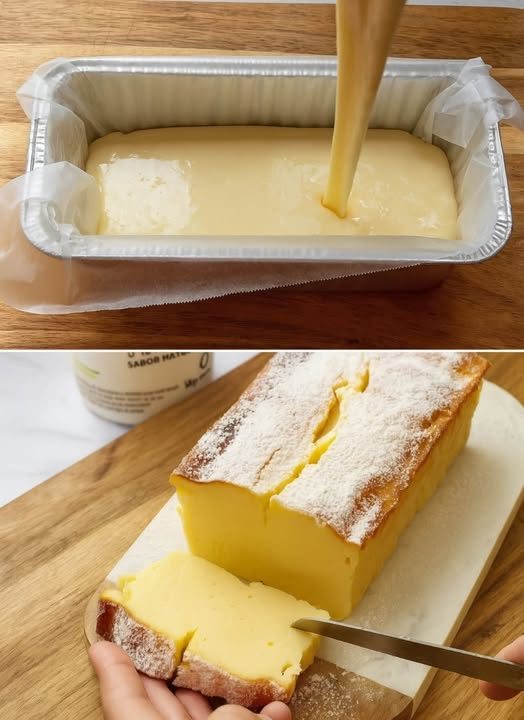
Low Calorie Greek Yogurt Cake is a light, high-protein dessert made by replacing heavy cream, butter, and oil with Greek yogurt. This creates a soft, creamy cake with a cheesecake-like texture but significantly fewer calories than traditional cakes.
It is popular for:
- Weight management diets
- High-protein meal plans
- Healthy dessert alternatives
- Low-fat baking
The texture is:
- Soft and moist like cheesecake
- Light like sponge cake
- Slightly tangy from yogurt
This recipe uses simple ingredients and can be baked in a standard oven.
Ingredients
Wet Ingredients
- 2 cups (500 grams) Greek yogurt (low-fat or fat-free)
- 3 large eggs
- 1/2 cup (100 grams) sugar or sweetener of choice (erythritol or stevia blend for lower calories)
- 1 teaspoon vanilla extract
- 1 tablespoon lemon juice (optional, enhances flavor)
Dry Ingredients
- 1/2 cup (60 grams) all-purpose flour or oat flour
- 1 teaspoon baking powder
- 1 tablespoon cornstarch (helps texture and stability)
- Pinch of salt
Optional Flavor Additions
- Lemon zest (for lemon yogurt cake)
- Cinnamon (for warm flavor)
- Cocoa powder (for chocolate version)
- Fresh berries (blueberries, raspberries, strawberries)
Equipment Needed
- Mixing bowls
- Whisk or electric mixer
- Sieve (for flour)
- 8-inch (20 cm) cake pan or springform pan
- Baking paper
- Oven
Step-by-Step Instructions
Step 1: Prepare the Pan
- Preheat oven to 170°C (340°F).
- Line the cake pan with baking paper.
- Lightly grease sides with cooking spray or a small amount of oil.
This prevents sticking and ensures easy removal.
Step 2: Mix Wet Ingredients
In a large bowl combine:
- Greek yogurt
- Eggs
- Sugar or sweetener
- Vanilla extract
- Lemon juice (optional)
Whisk until smooth and creamy.
If using an electric mixer, mix on low speed for 1–2 minutes.
The mixture should be:
- Smooth
- Slightly thick
- No visible lumps
Step 3: Mix Dry Ingredients
In a separate bowl, combine:
- Flour
- Baking powder
- Cornstarch
- Salt
Sift if possible to avoid clumps.
Step 4: Combine Wet and Dry Mixtures
- Gradually add dry ingredients into wet mixture.
- Mix gently until just combined.
Important:
- Do not overmix
- Overmixing can make the cake dense
The batter should be:
- Smooth
- Slightly thick but pourable
Step 5: Pour into Pan
- Pour batter into prepared cake pan.
- Tap pan gently on counter to remove air bubbles.
If adding berries:
- Lightly fold them into batter or place on top.
Step 6: Bake the Cake
Bake at:
- 170°C (340°F) for 35–45 minutes
The cake is ready when:
- Top is lightly golden
- Center is slightly set but still soft
- Toothpick comes out mostly clean (a few moist crumbs are fine)
Do not overbake or the cake may become dry.
Step 7: Cool Properly
- Turn off oven and leave cake inside for 10 minutes (optional for gentle setting).
- Remove from oven and allow to cool at room temperature.
- Refrigerate for at least 2–3 hours before serving.
Cooling improves:
- Texture
- Firmness
- Flavor
This cake tastes better cold.
Texture and Flavor Profile
Texture
- Soft and creamy
- Light and airy
- Slightly dense like cheesecake
- Moist but not heavy
Flavor
- Mildly tangy from yogurt
- Light sweetness
- Vanilla or citrus notes depending on flavoring
Serving Suggestions
Serve chilled with:
Healthy Options
- Fresh berries
- Honey drizzle (small amount)
- Low-calorie whipped cream
- Yogurt topping
Flavor Boosters
- Lemon zest
- Cinnamon dusting
- Cocoa powder sprinkle
Drinks
- Green tea
- Black coffee
- Herbal tea
Variations
1. Lemon Greek Yogurt Cake
Add:
- Extra lemon zest
- Slightly more lemon juice
Gives a fresh, citrus flavor.
2. Chocolate Version
Add:
- 2 tablespoons cocoa powder
- Slightly more sweetener
Optional:
- Dark chocolate chips
3. Berry Yogurt Cake
Add:
- Blueberries or raspberries
- Light dusting of flour on berries before mixing
4. Crustless Cheesecake Style
Remove flour and replace with:
- Extra cornstarch (2–3 tablespoons)
Results in richer, creamier texture.
5. Protein Boost Version
Add:
- 1 scoop vanilla or unflavored protein powder
- Reduce flour slightly
Tips for Best Results
1. Use Thick Greek Yogurt
Thicker yogurt gives better structure.
2. Do Not Overbake
Overbaking leads to dryness and cracks.
3. Chill Before Serving
This cake sets properly only after cooling.
4. Room Temperature Ingredients
Eggs and yogurt mix better when not cold.
5. Avoid Overmixing
Keeps cake light and soft.
Common Mistakes to Avoid
1. Using Regular Yogurt
Too watery and may ruin texture.
2. Skipping Cooling Time
Cake will be too soft and unstable.
3. Overbaking
Causes rubbery texture.
4. Too Much Sweetener
Can overpower delicate yogurt flavor.
Storage Instructions
Refrigerator
- Store in airtight container for up to 4–5 days
Freezing
- Freeze slices for up to 2 months
Reheating (if desired)
This cake is best eaten cold, but if preferred:
- Let sit at room temperature for 10–15 minutes
Avoid microwaving as it changes texture.
Nutritional Overview (Approximate)
Per slice (depending on recipe version):
- Calories: 120–180
- Protein: 8–12 grams
- Carbohydrates: 10–18 grams
- Fat: 3–6 grams
Lower if using sugar substitutes.