Introduction
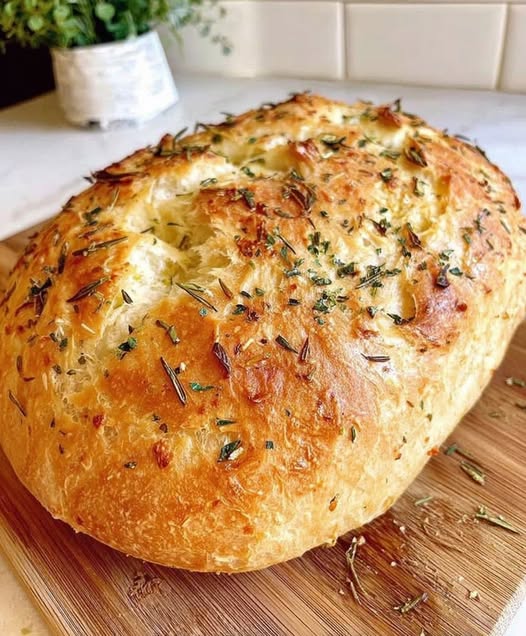
Rosemary Garlic Bread is a fragrant, savory bread flavored with fresh rosemary, garlic, butter, and olive oil. It features a crisp golden crust with a soft and fluffy interior infused with herbs and roasted garlic flavor. This bread can be served as an appetizer, side dish, or snack and pairs especially well with soups, pasta, salads, and roasted meats.
The recipe can be prepared using:
- Homemade dough
- Store-bought bread dough
- French bread
- Italian loaf
- Focaccia-style dough
This version teaches a full homemade rosemary garlic bread from scratch for maximum flavor and texture.
Ingredients
For the Dough
- 500 grams all-purpose flour or bread flour
- 7 grams instant yeast
- 1 teaspoon sugar
- 1 1/2 teaspoons salt
- 320 ml warm water
- 2 tablespoons olive oil
For the Rosemary Garlic Butter
- 4 tablespoons unsalted butter, softened
- 2 tablespoons olive oil
- 5–6 garlic cloves, finely minced
- 2 tablespoons fresh rosemary, finely chopped
- 1/2 teaspoon salt
- 1/4 teaspoon black pepper
Optional Toppings
- Grated parmesan cheese
- Mozzarella cheese
- Red chili flakes
- Sea salt flakes
- Fresh parsley
Equipment Needed
- Large mixing bowl
- Measuring cups and spoons
- Dough scraper or spoon
- Baking tray or loaf pan
- Kitchen towel or plastic wrap
- Pastry brush
- Oven
Understanding the Ingredients
Flour
Bread flour creates:
- Better chew
- Stronger structure
- Crispier crust
All-purpose flour still works well and gives a softer texture.
Yeast
Yeast helps:
- Dough rise
- Create air pockets
- Develop flavor
Rosemary
Fresh rosemary provides:
- Pine-like aroma
- Earthy flavor
- Herbal freshness
Garlic
Garlic adds:
- Rich savory flavor
- Warm aroma
- Depth to the bread
Step-by-Step Instructions
Step 1: Activate the Yeast
If using instant yeast:
- You may mix it directly into the flour.
If using active dry yeast:
- Combine warm water, sugar, and yeast in a bowl.
- Let sit for 5–10 minutes.
The mixture should become foamy.
The water should feel warm but not hot:
- Around 38–43°C (100–110°F)
Water that is too hot can kill the yeast.
Step 2: Mix the Dough
In a large bowl combine:
- Flour
- Salt
Add:
- Yeast mixture or instant yeast
- Olive oil
- Warm water
Mix using:
- Wooden spoon
- Dough hook
- Hands
Continue mixing until a rough dough forms.
Step 3: Knead the Dough
Transfer dough to a lightly floured surface.
Knead for 8–10 minutes until:
- Smooth
- Elastic
- Soft but not sticky
To test readiness:
- Press a finger lightly into the dough.
- It should slowly bounce back.
If dough feels:
- Too sticky → add small amounts of flour
- Too dry → add a little water
Step 4: First Rise
- Place dough into a lightly oiled bowl.
- Cover with towel or plastic wrap.
- Let rise in a warm place for 1–1.5 hours.
The dough should roughly double in size.
Good rising spots:
- Slightly warm oven (turned off)
- Kitchen counter
- Near sunlight
Step 5: Prepare the Rosemary Garlic Butter
In a bowl combine:
- Softened butter
- Olive oil
- Garlic
- Rosemary
- Salt
- Pepper
Mix thoroughly until evenly combined.
Allowing the mixture to rest for a few minutes helps the flavors blend.
Step 6: Shape the Dough
Once risen:
- Punch down the dough gently to release excess air.
- Transfer to lightly floured surface.
You may shape it into:
- Round loaf
- Oval loaf
- Baguette shape
- Focaccia-style flatbread
For a rustic artisan loaf:
- Shape into a round ball.
For garlic pull-apart bread:
- Divide into smaller balls.
Step 7: Add the Garlic Rosemary Mixture
For Surface Flavor
- Brush or spread rosemary garlic butter over the dough surface.
- Sprinkle extra rosemary and sea salt if desired.
For Swirled Flavor
- Roll dough into rectangle.
- Spread garlic rosemary butter inside.
- Roll tightly like cinnamon rolls.
- Shape into loaf.
This creates layered garlic herb flavor throughout the bread.
Step 8: Second Rise
- Place shaped dough onto baking tray or pan.
- Cover lightly.
- Let rise another 30–45 minutes.
This second rise improves:
- Texture
- Softness
- Oven spring
Step 9: Preheat the Oven
Preheat oven to:
- 220°C (425°F)
If possible:
- Place an empty tray in the bottom of oven for steam.
Steam helps create a crisp crust.
Step 10: Bake the Bread
- Place bread into the oven.
- Bake for 20–30 minutes depending on loaf size.
The bread is done when:
- Deep golden brown
- Bottom sounds hollow when tapped
- Internal temperature reaches about 90°C (190°F)
Halfway through baking:
- Brush with extra garlic butter for stronger flavor.
Step 11: Optional Cheese Finish
For cheesy rosemary garlic bread:
- Sprinkle parmesan or mozzarella during final 5 minutes.
- Return to oven until melted and lightly browned.
Step 12: Cool Slightly Before Serving
- Remove bread from oven.
- Allow cooling for 10–15 minutes.
Cooling slightly helps:
- Structure set properly
- Slicing become easier
Brush with additional garlic butter while still warm for extra flavor and shine.
Texture and Flavor Profile
Exterior
- Crisp crust
- Golden edges
- Slight chew
Interior
- Soft
- Airy
- Moist
- Buttery
Flavor
- Savory garlic
- Earthy rosemary
- Rich butter
- Mild olive oil fruitiness
Serving Suggestions
Serve warm with:
- Pasta
- Soup
- Salad
- Roasted chicken
- Steak
- Seafood
It also works well with:
- Olive oil dipping sauce
- Balsamic vinegar
- Cheese boards
Dipping Sauce Ideas
Classic Olive Oil Dip
Combine:
- Olive oil
- Black pepper
- Chili flakes
- Parmesan
Creamy Garlic Dip
Mix:
- Mayonnaise
- Sour cream
- Garlic
- Lemon juice
Marinara Sauce
Warm tomato sauce pairs especially well with cheesy versions.
Variations
Focaccia Rosemary Garlic Bread
Press dough into baking tray.
Dimple surface with fingers.
Add:
- Extra olive oil
- Garlic
- Rosemary
- Sea salt
Bake until golden.
Cheesy Garlic Bread
Add:
- Mozzarella
- Parmesan
- Cheddar
Broil briefly for bubbling cheese top.
Whole Wheat Version
Replace part of flour with whole wheat flour.
This creates:
- Denser texture
- Nutty flavor
- More fiber
Vegan Version
Replace butter with:
- Vegan butter
- Olive oil only
Roasted Garlic Version
Roast garlic beforehand for:
- Sweeter flavor
- Milder garlic taste
- Creamier texture
Tips for Best Results
1. Use Fresh Rosemary
Fresh herbs provide stronger aroma and flavor.
2. Do Not Add Too Much Flour
Overly dry dough creates dense bread.
3. Knead Properly
Good gluten development improves texture.
4. Allow Enough Rising Time
Under-risen dough becomes heavy.
5. Bake at High Heat
This helps create a crisp crust and soft interior.
Storage Instructions
Room Temperature
Store in airtight container or bread bag:
- Up to 2 days
Refrigeration
Possible but may dry bread slightly.
Freezing
Wrap tightly and freeze:
- Up to 2 months
Reheating Instructions
Oven
Reheat at:
- 180°C (350°F) for 5–8 minutes
Air Fryer
Heat for:
- 3–5 minutes
Microwave
Use short intervals to avoid toughness.
Nutritional Overview (Approximate)
Per serving:
- Calories: 180–300
- Carbohydrates: 25–35 grams
- Fat: 6–12 grams
- Protein: 4–7 grams
Values vary depending on butter and cheese amount.
Common Mistakes to Avoid
1. Killing the Yeast
Water that is too hot prevents proper rising.
2. Overbaking
This creates dry bread.
3. Underseasoning
Garlic bread needs enough salt and herbs for balanced flavor.
4. Skipping the Second Rise
This reduces softness and volume.
5. Using Old Rosemary
Dried-out herbs lose aroma and flavor.
Serving Occasions
Rosemary Garlic Bread is ideal for:
- Dinner parties
- Holiday meals
- Pasta nights
- Family dinners
- Appetizer platters
- Soup side dishes
It also works well for sandwiches and toasted breakfast bread.