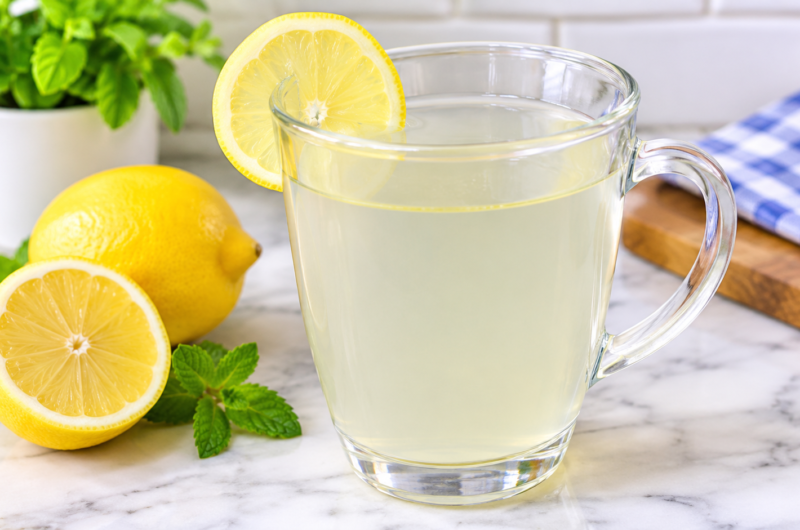
Lemon water is a simple, refreshing drink made by combining fresh lemon slices with plain water. It is an easy way to add natural citrus flavor to your daily hydration routine without using added sugar, artificial sweeteners, or complicated ingredients. Whether you enjoy it first thing in the morning, alongside lunch, or throughout the afternoon, homemade lemon water is a delicious alternative to sugary beverages and flavored drinks.
This easy lemon water recipe requires only two ingredients and approximately five minutes of preparation. Fresh lemon slices slowly release their juice and natural aroma into cold water, creating a lightly tangy drink that tastes clean and refreshing. After resting in the refrigerator for about an hour, the citrus flavor becomes more noticeable, making every glass enjoyable.
One of the best things about lemon-infused water is its simplicity. You do not need special equipment, expensive ingredients, or advanced cooking skills. A sharp knife, a large pitcher, and a wooden spoon are enough to prepare a refreshing batch for the entire family. It is also naturally low in calories and contains no added sugar, making it a convenient choice for people looking to reduce their consumption of sweetened beverages.
This Homemade Lemon Water Recipe
There are plenty of reasons to keep a pitcher of homemade lemon water in your refrigerator. First, it is incredibly easy to prepare. Instead of purchasing bottled flavored water, you can make your own version using fresh lemons and cold water. The ingredients are affordable, widely available, and easy to keep on hand whenever you want something refreshing.
Another reason to enjoy this drink is its fresh citrus taste. Plain water can sometimes feel repetitive, especially if you are trying to increase your daily fluid intake. Adding lemon slices creates a pleasant flavor that may encourage you to drink water more regularly. The taste is light rather than overly sour, so it works well as an everyday beverage.
This recipe is also suitable for different occasions. You can serve it with breakfast, offer it to guests during warm weather, or keep a chilled pitcher available after exercise. Since it contains no added sugar, it can also be a useful replacement for regular soft drinks, sweetened juices, and other high-sugar beverages.
The recipe is easy to customize, too. If you prefer a stronger citrus flavor, you can add extra lemon slices. For a milder taste, simply use fewer slices or add more water. Once you understand the basic method, you can experiment with fresh mint, cucumber, strawberries, or other fruits to create different infused water combinations.
How to Make Lemon Water at Home
Preparing lemon water at home is straightforward, and the entire process takes only a few minutes. The most important step is allowing enough time for the lemon slices to release their natural flavor into the water. Although you can drink it immediately, chilling the pitcher produces a more noticeable citrus taste.
Wash and Slice the Lemon
Start by washing one fresh lemon under cool running water. Gently rub the surface to remove any dirt or residue from the peel. Since the lemon slices will remain in the finished drink, cleaning the outside of the fruit is an important preparation step.
Place the lemon on a cutting board and slice it into thin, even rounds using a sharp knife. Thin slices work particularly well because more of the lemon’s surface comes into contact with the water. Remove any visible seeds if you prefer a cleaner-looking pitcher and an easier drinking experience.
Add the Lemon Slices to a Pitcher
Place the prepared lemon slices at the bottom of a large pitcher. Spread them slightly so they are not all stacked together in one place. This allows the water to circulate around the fruit and helps distribute the citrus flavor more evenly throughout the pitcher.
Using a wooden spoon, gently press or mash the lemon slices a few times. This releases some of the natural juice and aromatic oils without completely crushing the fruit. Avoid pressing too aggressively because breaking up too much of the peel and white pith can make the finished drink taste bitter.
Pour in the Cold Water
Measure eight cups of cold water and pour it over the lemon slices. Stir gently with a long spoon to distribute the lemon juice throughout the pitcher. At this stage, the water will already have a light citrus taste, although the flavor will become stronger as the mixture rests.
Make sure the lemon slices remain submerged as much as possible. Cover the pitcher with a lid or suitable covering to keep the drink fresh while it chills in the refrigerator.
Refrigerate Before Serving
Place the pitcher in the refrigerator for at least one hour. This resting time allows the lemon flavor to develop naturally, giving the water a more noticeable citrus aroma and refreshing taste.
If you are short on time, you can serve the lemon water immediately because gently pressing the slices releases some juice right away. However, chilling is recommended when you want a more flavorful drink. Serve it cold, with a few fresh lemon slices in each glass if desired.
How Much Lemon Should You Add to Water?
Finding the right lemon-to-water ratio depends on how strong you enjoy your citrus drinks. For this recipe, one fresh lemon is combined with eight cups of water. This produces a mild, refreshing flavor that is suitable for serving throughout the day without becoming too sour.
If you enjoy a stronger lemon taste, you can add another half lemon or allow the pitcher to infuse for a little longer. On the other hand, people who prefer lightly flavored water can use fewer lemon slices or increase the amount of water.
The thickness of the lemon slices also affects the flavor. Thin slices expose more surface area to the water, helping the citrus taste develop more quickly. Thicker slices release their flavor more slowly, which can be useful if you prefer a subtle infusion.
For everyday hydration, the most important thing is choosing a flavor you genuinely enjoy. There is no single perfect lemon-to-water ratio for everyone, so feel free to adjust the strength according to your personal preference.
Can Lemon Water Help With Weight Loss?
Lemon water is often included in weight-loss routines because it is naturally low in calories and contains no added sugar when prepared according to this recipe. However, it is important to understand that lemon water does not directly burn body fat or cause weight loss on its own.
Its potential usefulness comes mainly from what it replaces. For example, choosing a glass of unsweetened lemon water instead of a sugary soft drink can reduce the calories and added sugar in your diet. Making this substitution regularly may support a balanced eating plan and help with long-term weight management.
Another advantage is that flavored water may make hydration more enjoyable. Drinking water before or alongside meals can also help you stay hydrated and recognize your body’s normal hunger and thirst signals.
For healthy weight management, lemon water works best as part of a broader routine that includes balanced meals, appropriate portion sizes, regular physical activity, and adequate sleep. Think of it as a refreshing everyday beverage rather than a special fat-burning drink.
Possible Side Effects of Drinking Lemon Water
Although lemon water is a simple drink made from natural ingredients, its acidity is worth considering, particularly if you consume it frequently. Most people can enjoy moderate amounts without problems, but individual tolerance and dental health should always be considered.
Protecting Your Tooth Enamel
Lemons contain citric acid, which can gradually weaken tooth enamel when teeth are exposed to acidic drinks frequently. Enamel protects the surface of your teeth, and excessive acid exposure over time may increase the risk of sensitivity and dental erosion.
If you drink lemon water regularly, consider using a straw to reduce direct contact with your teeth. You can also make the drink less concentrated by using fewer lemon slices. Rinsing your mouth with plain water after drinking is another helpful habit. Avoid brushing your teeth immediately after consuming acidic drinks because enamel may be temporarily softened.
Stomach Sensitivity and Heartburn
Some people experience stomach discomfort, acid reflux, or heartburn after consuming acidic foods and beverages. If lemon water causes irritation, try reducing the amount of lemon or drinking plain water instead.
You do not need to force yourself to drink lemon water to maintain healthy hydration. The best beverage is one that suits your body and does not cause discomfort.
How Long Should Lemon Water Infuse?
For this recipe, refrigerating lemon water for at least one hour is recommended. This gives the lemon slices enough time to release their juice and natural aroma, creating a more noticeable citrus flavor.
The taste can continue developing over the next few hours, especially when the pitcher remains chilled. If you prefer a stronger infusion, you can leave it in the refrigerator for several hours. However, keeping lemon slices in water for too long may produce a bitter taste.
The white pith beneath the yellow lemon peel contains naturally bitter compounds. As the fruit sits in water, these flavors can become more noticeable. For the freshest taste, it is best to enjoy your lemon water within approximately one day.
If you want to prepare another pitcher, simply wash and slice a fresh lemon and repeat the process. Making smaller batches regularly is an easy way to keep your infused water tasting clean and refreshing.
Delicious Lemon Water Variations
Once you have mastered the basic lemon water recipe, you can experiment with other fresh ingredients. Adding fruit, herbs, or vegetables creates different flavors without needing complicated preparation methods. These combinations are especially enjoyable during warmer months when cold infused water makes a refreshing addition to meals and gatherings.
Lemon and Mint Water
Fresh mint gives lemon water a cool, pleasant aroma that works particularly well with citrus. Add a small handful of washed mint leaves to the pitcher when preparing the lemon slices. Gently press the leaves to release their natural oils, but avoid crushing them too much because this can create a strong herbal flavor.
Cucumber Lemon Water
Cucumber and lemon create a light, refreshing combination often served in restaurants and spas. Slice a fresh cucumber into thin rounds and add them to the pitcher with the lemon. The cucumber provides a mild, clean taste that balances the lemon’s natural tanginess.
Strawberry Lemon Water
For a naturally fruity variation, add sliced fresh strawberries to your lemon water. The strawberries gradually release their flavor, creating a lightly sweet aroma and an attractive pinkish appearance. This combination is particularly nice for summer gatherings, picnics, and family meals.
Lemon and Lime Water
If you enjoy a stronger citrus flavor, combine fresh lemon and lime slices in the same pitcher. Both fruits provide a bright, tangy taste that makes ordinary water more interesting. Adjust the quantity according to your preference so the finished drink does not become too sour.
When Is the Best Time to Drink Lemon Water?
There is no specific time when you must drink lemon water to enjoy it. You can have a glass in the morning, during lunch, in the afternoon, or whenever you want a refreshing beverage.
Some people enjoy drinking it after waking up because it provides a pleasant way to start their hydration routine. Others prefer keeping a chilled pitcher in the refrigerator and drinking it throughout the day. It can also be served alongside meals instead of sugary beverages.
Although drinking lemon water in the morning is a popular habit, there is no strong evidence that it provides unique health benefits simply because it is consumed on an empty stomach. Consistent hydration matters more than the exact time you drink it.
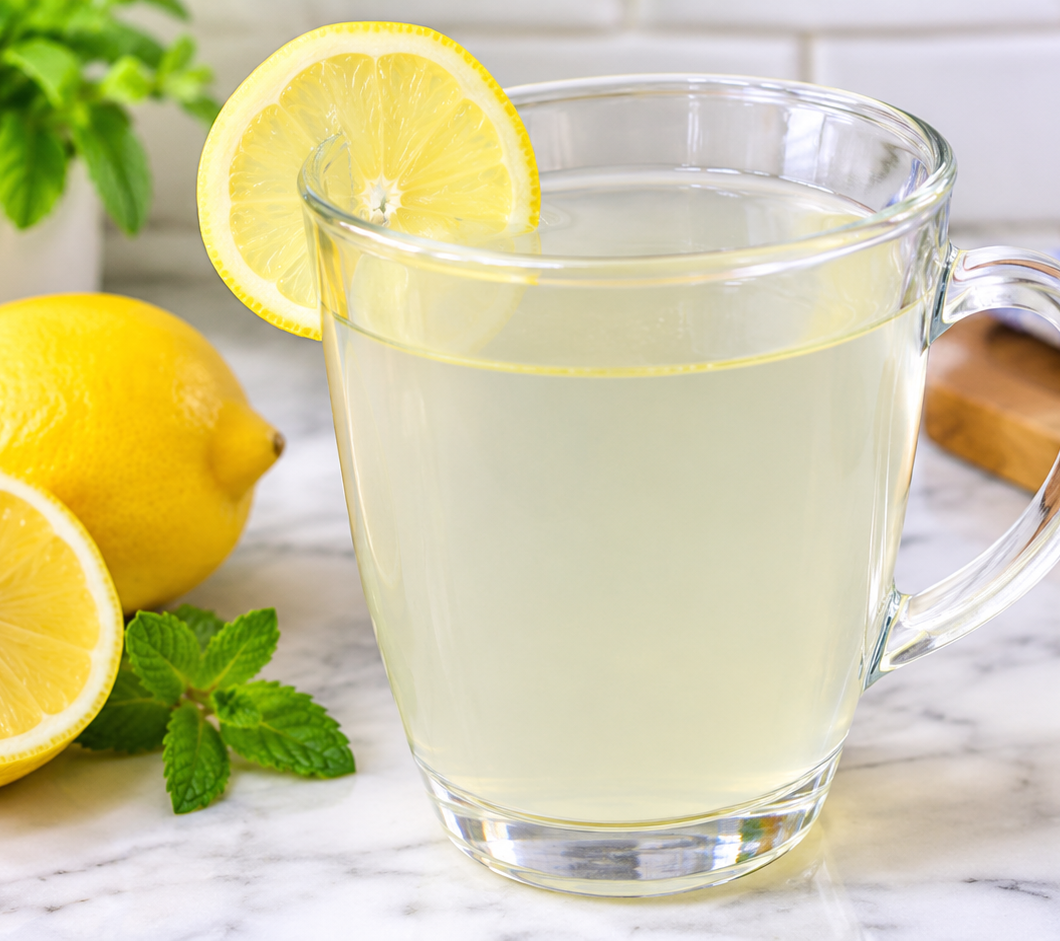
Healthy Lemon Water
 Recipe by admin1
This easy homemade lemon water is a refreshing, naturally sugar-free drink made with fresh lemon slices and cold water. It takes only five minutes to prepare and is perfect for everyday hydration.
12
servings5
minutes2
kcal5
minutesIngredients
½ fresh lemon, juiced
6–8 lemon slices
8–10 cups water
Ice, as needed
Directions
- Wash the lemons thoroughly under running water and dry them with a clean towel.
- Cut one lemon into 6–8 slices and set the slices aside.
- Cut another lemon in half and squeeze the juice from one half, removing any seeds.
- Pour 8–10 cups of water into a clean pitcher.
- Add the freshly squeezed lemon juice and lemon slices to the pitcher.
- Stir gently to distribute the lemon flavor throughout the water.
- Add ice to the pitcher or individual glasses.
- Pour into glasses and serve chilled.
Notes
- Adjust the amount of lemon to suit your taste.
- For the freshest flavor, prepare the drink shortly before serving.
- Store leftover lemon water in a covered pitcher in the refrigerator and use it promptly.
Nutrition Facts
- Calories: 2kcal
- Fat: 1g
- Carbohydrates: 1g
- Fiber: 1g
- Sugar: 1g
- Protein: 1g