Clove water is an easy homemade drink prepared by soaking or gently boiling whole dried cloves in water. It has a warm, aromatic flavor with a naturally spicy and slightly sweet taste. Made with just two basic ingredients, this simple clove water recipe is an interesting way to enjoy a lightly flavored drink without relying on sugary beverages or artificial flavorings. You can prepare it in just a few minutes using ingredients that are commonly available in most kitchens.
There are two simple ways to make clove water at home. The first method involves simmering whole cloves in water for a few minutes to create a warm, flavorful infusion. The second method requires soaking the cloves overnight in refrigerated water. Both methods are convenient, and you can choose whichever preparation suits your daily routine. In this guide, you will learn how to make clove water, how to adjust its flavor, what potential benefits have been studied, and which safety precautions are worth considering.
What Is Clove Water?
Clove water is a homemade infusion made by combining whole dried cloves with drinking water. Cloves are small, dried flower buds harvested from the clove tree. They are widely used in cooking and baking because of their distinctive fragrance, warm taste, and slightly sweet flavor. These little spice buds are commonly added to tea, rice dishes, soups, marinades, and traditional recipes.
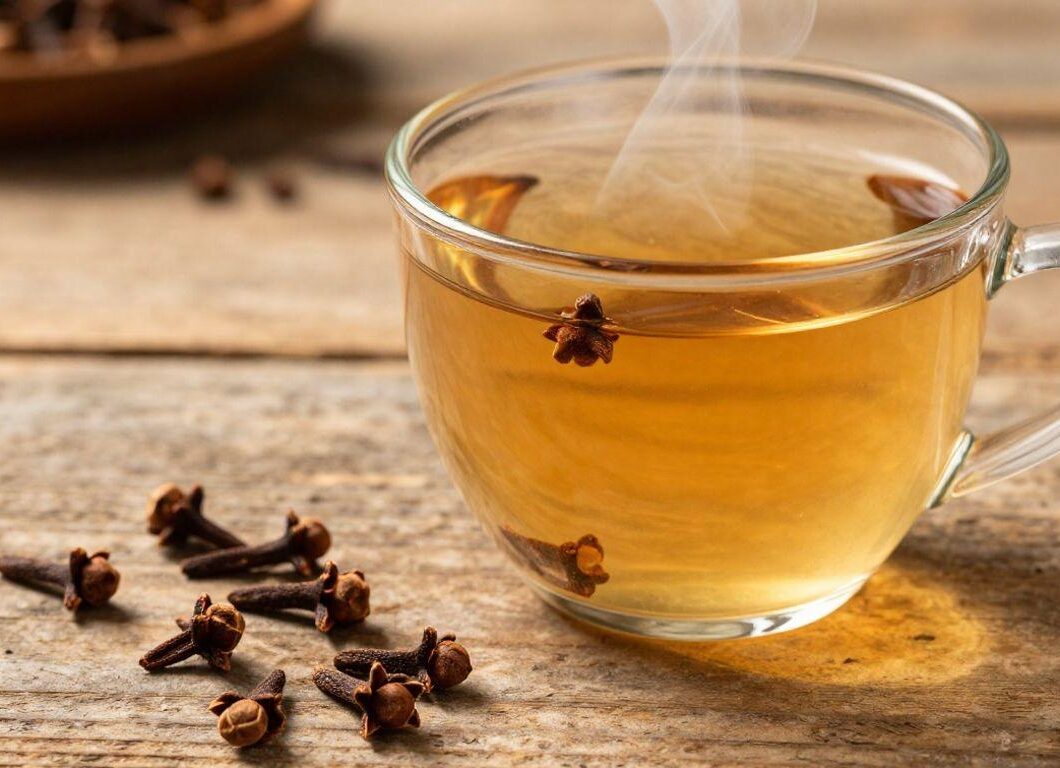
When cloves are placed in water, they gradually release some of their natural aroma and flavor. This creates a lightly colored drink that may range from pale golden to light brown, depending on the number of cloves used and how long they are steeped. Unlike strongly flavored herbal teas, clove water can be prepared with a small amount of spice for a more delicate taste.
People generally prepare this drink using either hot water or room-temperature water. The boiled version is suitable when you want something warm and ready quickly, while the overnight method is useful if you prefer preparing your drink ahead of time. Both approaches use the same basic ingredients and require very little preparation.
How to Make Clove Water on the Stove
The stovetop method is one of the quickest ways to prepare homemade clove water. It gently heats the cloves in water, allowing their aroma and flavor to develop without requiring a long soaking period. This approach is especially convenient when you want a warm drink in the morning or during cooler weather.
Measure the Water
Start by pouring one cup of drinking water into a small saucepan. Measuring the water before heating makes it easier to maintain the intended proportions. A small saucepan is sufficient for this recipe because it produces just one serving. If you want to prepare more, increase the quantities proportionally.
Add the Whole Cloves
Place 3 to 4 whole dried cloves directly into the saucepan. There is no need to crush them before cooking because whole cloves can release their flavor during gentle heating. Keeping them whole also makes straining easier later. Avoid adding extra cloves simply to create a darker or stronger drink, especially if you are preparing this recipe for the first time.
Bring the Water to a Gentle Simmer
Place the saucepan over medium heat and gradually bring the water to a gentle simmer. You do not need to maintain a vigorous rolling boil. Gentle heating is sufficient to help release the natural fragrance of the cloves while keeping the preparation simple. Watch the saucepan as the water heats to prevent unnecessary evaporation.
Allow the Cloves to Steep
Once the water begins simmering, allow the cloves to cook for approximately five minutes. Turn off the heat and leave them in the hot water for another five minutes. This additional steeping period allows more of their warm aroma to develop. If you prefer a lighter flavor, you can reduce the steeping time slightly.
Strain and Serve
Carefully pour the prepared infusion through a small strainer into a cup to remove the whole cloves. You can enjoy the drink while it is warm or allow it to cool before serving. Add a thin lemon slice or a teaspoon of honey if desired. There is no need to add anything if you prefer the natural, slightly spicy flavor of the cloves.
How to Make Overnight Clove Water
If you prefer a preparation method that does not involve cooking, overnight clove water is another convenient option. This method uses room-temperature drinking water and whole cloves, allowing their flavor to develop slowly over several hours. It requires very little active preparation, making it easy to prepare before going to bed.
Prepare a Clean Container
Choose a clean glass, jar, or small covered container for soaking the cloves. Add 3 to 4 whole dried cloves to the container. Make sure the container is suitable for storing drinking water and has a lid or cover to protect the infusion while it sits in the refrigerator.
Add the Drinking Water
Pour one cup of room-temperature drinking water over the cloves. Ensure the cloves are completely covered by the water. There is no need to heat the water or add any other ingredients at this stage. Using the same quantity of cloves and water as the stovetop version keeps the recipe consistent.
Refrigerate Overnight
Cover the container and place it inside the refrigerator for approximately 8 to 12 hours. Refrigeration is important because it keeps the prepared infusion chilled during the soaking period. Avoid leaving the container uncovered on the kitchen counter overnight. This method is particularly useful when you want to prepare your drink in advance.
Strain Before Drinking
After soaking, remove the container from the refrigerator and strain out the whole cloves. The resulting infusion will have a mild, aromatic flavor. You can drink it chilled or allow it to reach your preferred serving temperature. Add lemon or honey if you enjoy those flavors, although neither is required.
What Does Clove Water Taste Like?
Clove water has a distinctive warm, spicy, and aromatic taste with a subtle natural sweetness. Its flavor is quite different from plain water because cloves contain aromatic compounds that give them their recognizable fragrance. Depending on how long the cloves are soaked or simmered, the finished drink may have a delicate spice flavor or a more noticeable clove aroma.
The strength of the infusion depends mainly on the number of cloves and the preparation time. Using more cloves or allowing them to steep longer can create a stronger-tasting drink. If you are new to clove water, it is best to follow the original quantity and avoid making the infusion overly concentrated. You can adjust the flavor in future batches according to your personal preference.
Potential Benefits of Clove Water: What Does Research Say?
Cloves contain several naturally occurring plant compounds, including eugenol and polyphenols. These substances have attracted scientific interest because of their antioxidant activity and other biological properties. However, it is important to distinguish between research conducted on whole cloves, concentrated clove extracts, and clove essential oil versus research on a simple homemade clove water infusion.
There is limited direct human research examining the health effects of drinking clove water itself. Therefore, although cloves contain interesting plant compounds, this does not mean that a cup of clove-infused water provides proven medical benefits. The following points explain what is currently understood without treating this homemade drink as a medicine.
Cloves Contain Antioxidant Compounds
Cloves contain plant-based compounds that have demonstrated antioxidant activity in laboratory studies. Antioxidants help protect cells against oxidative damage caused by unstable molecules known as free radicals. This is one reason cloves have received attention in nutritional and food research.
However, laboratory findings involving concentrated extracts do not automatically translate into the same effects from drinking a small amount of clove water. More human research is needed to establish whether this particular drink provides measurable antioxidant benefits. It should not be considered a treatment or replacement for a balanced diet.
An Alternative to Sugary Beverages
One practical advantage of unsweetened clove water is that it provides a flavored drink without requiring added sugar. Some people find plain water uninteresting, making lightly flavored drinks an appealing alternative. The warm, aromatic taste of cloves can add variety to your usual drinking routine without using sweetened syrups or commercial drink mixes.
When prepared without honey, this recipe contains very few calories. Replacing a sugary beverage with plain clove water may help reduce overall added sugar intake. However, the benefit comes from choosing a less sugary drink rather than from a special fat-burning or metabolism-boosting property of cloves.
Traditional Uses of Cloves
Cloves have been used in traditional food preparation and household remedies for generations. They are particularly popular in different cuisines because of their strong fragrance and ability to add depth to both sweet and savory dishes. Some traditional wellness practices also include clove-infused drinks.
Although traditional use explains why people continue preparing clove water, it does not establish that the drink treats digestive problems, infections, inflammation, or other medical conditions. It is best enjoyed as a simple homemade beverage rather than relying on it for medical purposes.
Does Clove Water Help With Weight Loss?
Clove water is frequently discussed in online wellness trends, with claims that it can burn belly fat, increase metabolism, or support rapid weight loss. However, there is no strong clinical evidence in humans showing that drinking clove water directly burns body fat or causes significant weight reduction. These claims should be approached carefully, particularly when they suggest that one simple drink can produce noticeable changes in body weight.
Weight management depends on several factors, including eating habits, physical activity, sleep, and overall calorie intake. No single infused drink can replace these important habits. Clove water also does not remove toxins or target fat in specific areas of the body.
That does not mean you cannot include this drink in a balanced lifestyle. If you enjoy its flavor, unsweetened clove water can be an alternative to sweetened beverages. Replacing high-calorie drinks with water-based alternatives can help reduce unnecessary calorie consumption. Just remember that the drink itself is not a proven weight-loss solution.
Frequently Asked Questions About Clove Water
How Many Cloves Should I Use for One Cup of Water?
This recipe uses 3 to 4 whole dried cloves for one cup (240 ml) of water. This quantity is intended for preparing a lightly flavored homemade infusion. It is not a medically established dosage, and there is no universally recommended amount of clove water for daily health purposes.
Can I Soak Cloves in Water Overnight?
Yes, you can prepare clove water by soaking whole cloves overnight. Add 3 to 4 cloves to a covered container containing one cup of drinking water. Refrigerate the container for approximately 8 to 12 hours, then strain out the cloves before serving.
Is Boiled Clove Water Better Than Overnight Clove Water?
Neither preparation method has been proven medically superior. The boiled method is faster and produces a warm, aromatic drink, while overnight soaking provides a convenient no-cook alternative. Your choice mainly depends on the preparation time and flavor you prefer.
Can I Drink Clove Water Every Day?
There is not enough research to establish the long-term safety of drinking clove water every day. Regular consumption of concentrated clove preparations may raise additional concerns, particularly for people taking medication or managing health conditions. Speak with a healthcare professional before making it a daily wellness habit.
Does Clove Water Burn Belly Fat?
No strong human evidence shows that clove water burns belly fat or produces targeted weight loss. Although unsweetened clove water can replace sugary beverages, it does not have a proven fat-burning effect. Sustainable weight management requires balanced eating habits and regular physical activity.
Can I Add Lemon to Clove Water?
Yes, a thin lemon slice is an optional addition that gives the drink a fresh citrus flavor. It can balance the warm taste of cloves and make the infusion more refreshing. However, adding lemon does not turn clove water into a proven detox or weight-loss drink.
Healthy Clove Water
 Recipe by admin1
This easy clove water recipe is a lightly spiced homemade infusion made with whole dried cloves and drinking water. Enjoy it warm or chilled, with an optional slice of lemon or a little honey for extra flavor.
1
servings2
minutes5
minutes2
kcal5
minutes12
minutesIngredients
1 cup (240 ml) water
3–4 whole dried cloves
1 thin lemon slice (optional)
1 teaspoon honey (optional)
Directions
- Prepare the Water: Pour one cup of drinking water into a small saucepan.
- Add the Cloves: Place the whole dried cloves into the water.
- Heat the Mixture: Bring the water to a gentle simmer over medium heat.
- Simmer: Allow the cloves to simmer for approximately 5 minutes.
- Steep: Turn off the heat and leave the cloves in the hot water for another 5 minutes.
- Strain: Pour the infusion through a small strainer into a cup to remove the cloves.
- Serve: Add the optional lemon slice or honey if desired. Enjoy warm or allow it to cool before drinking.