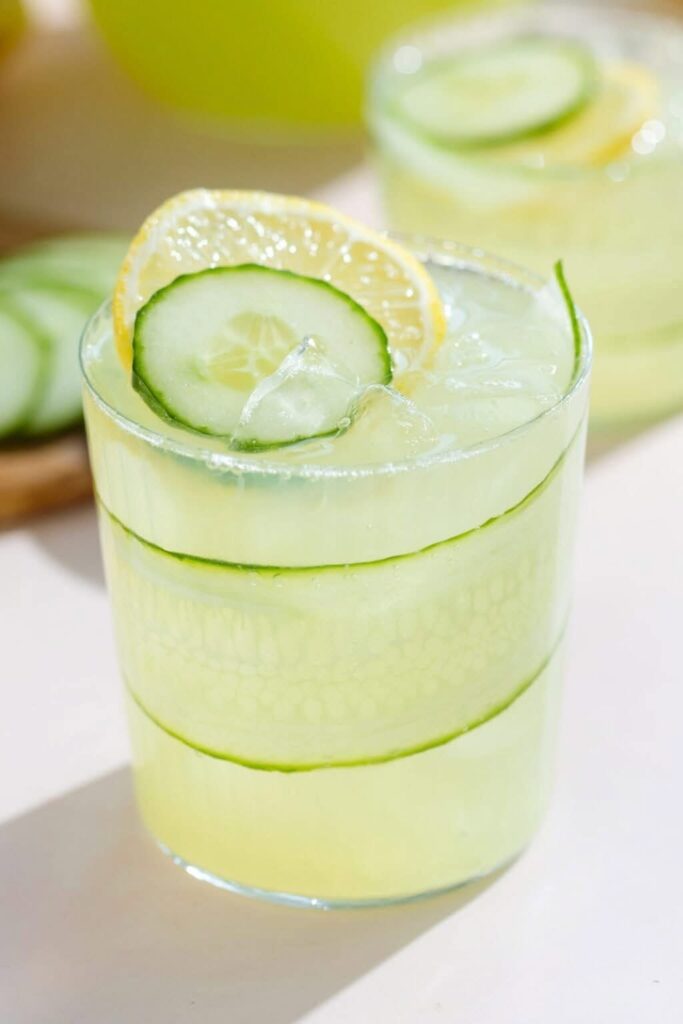
Cucumber Lemonade for Weight Loss is a cool, refreshing drink made with fresh cucumbers, lemons, ginger, mint, cold water, and ice. It offers a flavorful alternative to sugary sodas, sweetened juices, and other high-calorie beverages. With its crisp cucumber taste, fresh citrus flavor, and gentle hint of ginger and mint, this homemade cucumber lemonade is especially refreshing during warm weather or whenever you want an easy way to increase your daily water intake.
It is important to understand what a weight-loss drink can and cannot do. Cucumber lemonade does not directly burn body fat or cause weight loss by itself. Its main advantage for weight management is that it can be a relatively low-calorie beverage, particularly when the optional honey is omitted. Replacing calorie-heavy drinks with unsweetened cucumber lemon water may help reduce overall calorie intake while also supporting normal hydration.
Why Make Recipe at Home?
Homemade cucumber lemonade gives you complete control over sweetness and ingredients. Many bottled lemonades contain substantial amounts of added sugar, which can turn an otherwise refreshing drink into a significant source of calories. This homemade version uses fresh cucumber and lemon for flavor, while two tablespoons of honey or another preferred sweetener are entirely optional. Leaving out the sweetener keeps the drink lighter.
Preparing the lemonade at home also means you can enjoy the flavor of freshly squeezed lemons rather than relying on bottled lemon juice. Fresh ginger and mint provide additional aroma and complexity, while thin slices of cucumber and lemon create a simple, attractive presentation. The finished drink is suitable for family meals, summer gatherings, meal preparation, or everyday hydration.
How Cucumber Lemonade Can Support Weight Management
The most practical way this low-calorie cucumber lemonade may support a weight-management plan is by replacing beverages that contain more calories and added sugar. If you normally drink regular soda, heavily sweetened iced tea, or other sugary beverages, choosing unsweetened cucumber lemonade instead can reduce the calories consumed from drinks without requiring you to drink plain water all day.
Hydration is also important for general health and normal body function. Some people find plain water unappealing and therefore struggle to drink enough throughout the day. Adding fresh cucumber, lemon, ginger, and mint provides flavor without requiring a large amount of added sugar. However, successful long-term weight management still depends primarily on overall calorie intake, food choices, physical activity, sleep, and sustainable lifestyle habits.
Fresh Cucumber Creates a Cooling Base
Four large fresh cucumbers form the main ingredient in this homemade cucumber lemonade recipe. Cucumbers contain a high proportion of water and have a mild, cooling flavor that works particularly well with acidic citrus fruits. Because the cucumber flavor is subtle, it creates a refreshing base without competing strongly with the lemon, ginger, and mint.
For this recipe, wash the cucumbers thoroughly before preparation and peel the four large cucumbers used for blending. Cut them into manageable chunks so the blender can process them efficiently. Smaller, relatively even pieces will move through the blades more easily and help produce a smoother cucumber purée before straining.
Why Fresh Lemon Is Important
Six large lemons provide the characteristic lemonade flavor. Their fresh acidity balances the mild cucumber and gives the finished drink a clean, bright taste. Freshly squeezed lemon juice is preferable because it offers the lively citrus flavor expected from homemade lemonade, while one teaspoon of lemon zest adds another concentrated layer of citrus aroma.
Before cutting the lemons, roll them firmly against the countertop using gentle pressure from your palm. This can help make the fruit easier to juice. Cut each lemon in half, squeeze out the juice, and remove any seeds. Approximately one cup of fresh lemon juice is expected from the six lemons, although the exact amount naturally varies with their size and juiciness.
Ginger Adds a Fresh, Spicy Note
One tablespoon of freshly grated ginger adds gentle warmth to the cucumber lemonade. Ginger has a distinctive flavor, so a relatively small quantity can noticeably change the character of a large pitcher. In this recipe, it provides a slightly spicy contrast to the cooling cucumber and mint while complementing the acidity of fresh lemon.
Grate the ginger finely before adding it to the pitcher. Fine grating distributes its flavor more effectively throughout the lemonade than large pieces would. The original recipe also includes a stronger ginger variation using two tablespoons, but the standard recipe should remain at one tablespoon to preserve the original ingredient proportions.
Fresh Mint Makes the Drink More Refreshing
Ten to fifteen fresh mint leaves add another cooling element to this easy cucumber lemonade. Mint pairs naturally with both cucumber and lemon and gives the drink a fresh aroma without requiring artificial flavorings. Wash the leaves carefully under cool water and pat them dry before adding them to the pitcher.
The leaves can be added whole to the standard recipe. As the lemonade rests in the refrigerator, their flavor gradually infuses into the liquid. The original variation suggests doubling the mint and lightly crushing the leaves for a stronger mint flavor, but this should remain an optional variation rather than altering the standard ingredient list.
Honey Is Completely Optional
Two tablespoons of honey or another preferred sweetener are included as an optional ingredient. This means you can prepare the cucumber lemonade without any added sweetener when your main goal is keeping the drink as light as possible. The natural flavor will be more tart and refreshing, with cucumber and mint helping balance the lemon’s acidity.
If you prefer a sweeter lemonade, use the original optional quantity rather than automatically adding more. Stir the honey thoroughly so it dissolves throughout the pitcher. Remember that adding honey changes the nutritional values of the drink, particularly its calorie, carbohydrate, and sugar content, so nutrition estimates for the unsweetened version should not be applied unchanged to the sweetened version.
Preparing the Cucumbers and Lemons
Good preparation makes the blending process much easier. Begin by thoroughly washing the cucumbers and lemons under cool running water. This is especially important for the lemons because the recipe uses one teaspoon of zest. Wash the fresh mint at the same time and gently dry it with a clean kitchen towel.
Peel the four large cucumbers and cut them into blender-friendly chunks. Roll and halve the lemons, squeeze out their juice, and remove the seeds. Finely grate the fresh ginger and measure the mint leaves. Having every ingredient ready before blending makes the remaining preparation quick and prevents interruptions once you begin assembling the drink.
How to Make Fresh Cucumber Juice
Place the prepared cucumber chunks into a large blender and add two cups of the water. Blend on high speed for approximately two to three minutes or until the cucumber becomes completely smooth. The added water helps the cucumber move through the blender blades and creates a pourable purée.
Next, position a fine-mesh strainer over a large bowl or pitcher and pour the cucumber mixture through it. Use the back of a spoon to gently press the purée against the strainer and extract as much liquid as possible. This produces a smoother lemonade without a large amount of cucumber pulp floating through the finished drink.
Should You Strain Cucumber Lemonade?
Straining is useful when you want the light, smooth texture normally associated with lemonade. Blended cucumber contains fine pulp that can make the drink thicker and may settle quickly at the bottom of the pitcher. Passing it through a fine-mesh strainer removes much of this material while preserving the cucumber-flavored liquid.
The strained pulp does not necessarily need to be thrown away. As suggested in the original recipe, it can be saved for another appropriate use, such as adding to a smoothie or soup. For the cucumber lemonade itself, however, using the strained juice creates a cleaner texture and a more attractive finished drink.
Preparing the Fresh Lemon Mixture
After juicing the six large lemons, combine approximately one cup of fresh lemon juice with the teaspoon of lemon zest. Stir briefly so the zest becomes evenly distributed. Lemon zest contains strongly aromatic citrus oils, so even this small quantity can enhance the fresh lemon character of the drink.
Avoid adding the white pith beneath the yellow outer peel when zesting because it can contribute unwanted bitterness. A fine grater works well for removing only the colored outer surface. Once the lemon juice and zest have been combined, they are ready to be mixed with the strained cucumber juice.
Combining the Cucumber Lemonade
Pour the strained cucumber juice into a large pitcher and add the prepared lemon juice and zest mixture. Pour in the remaining eight cups of cold water, followed by one tablespoon of freshly grated ginger and the ten to fifteen mint leaves. If using the optional two tablespoons of honey or another preferred sweetener, add it at this stage.
Stir everything thoroughly with a long spoon. Taste the mixture while remembering that its flavor will become more integrated during chilling. Avoid changing the original recipe quantities unnecessarily. The resting period allows the cucumber, citrus, ginger, and mint flavors to blend naturally without requiring additional ingredients.
Why the Lemonade Should Rest Before Serving
Refrigerate the prepared cucumber lemonade for at least one hour before adding the ice and serving. This resting period serves two purposes. First, it thoroughly chills the large quantity of liquid. Second, it allows the fresh mint and ginger to infuse their flavors into the cucumber and lemon mixture.
Immediately after mixing, the individual flavors may taste more separate. After chilling, the lemonade becomes more balanced and refreshing. If preparing it for a gathering, making the drink slightly ahead of serving time is therefore useful. Keep the pitcher covered while refrigerated to help preserve freshness and prevent it from absorbing other refrigerator odors.
Adding Ice and Garnishes
After the cucumber lemonade has chilled for at least one hour, add two cups of ice cubes and stir the pitcher again. The ice provides the very cold temperature that makes this drink especially refreshing. Because ice gradually melts and dilutes beverages, it is better to add it shortly before serving rather than several hours in advance.
Thinly slice the additional small cucumber and one lemon listed for garnish. Add some slices directly to the pitcher or use them to decorate individual glasses. These garnishes do more than improve appearance; they visually communicate the fresh ingredients used in the lemonade and can provide a little additional cucumber and citrus aroma.
Best Time to Drink Cucumber Lemonade
There is no special time of day when cucumber lemonade suddenly becomes more effective for weight loss. You can enjoy it whenever it helps you stay hydrated or replace a higher-calorie drink. It can be served with breakfast, lunch, dinner, or between meals according to personal preference.
The original recipe suggests drinking a glass before meals as part of a hydration routine. That can be a convenient way to remember to drink fluids, but cucumber lemonade should not be treated as a meal replacement or appetite-suppressing treatment. Sustainable weight management depends on the overall pattern of eating and activity rather than the timing of one beverage.
Cucumber Lemonade Instead of Sugary Drinks
One of the strongest reasons to include this recipe in a weight-conscious eating plan is substitution. A beverage does not need to “burn fat” to be useful. If a low-calorie cucumber lemonade replaces a regular sugary soft drink or another high-calorie beverage, the difference in calorie intake can become meaningful when the habit is repeated consistently.
For this purpose, the unsweetened version is particularly useful. If two tablespoons of honey are added, the drink is still homemade and refreshing, but it will contain more calories and sugar. Choose the version that best fits your dietary goals rather than assuming that natural sweeteners have no effect on calorie intake.
Green Cucumber Lemonade Variation
The original recipe provides an optional Green Detox Version made by adding one handful of fresh spinach and one green apple to the cucumber before blending and straining. The apple introduces additional sweetness, while spinach changes the color and adds another vegetable ingredient.
This variation should be considered a separate flavor option rather than part of the standard cucumber lemonade ingredients. Also, the term “detox” is commonly used for drinks like this, but your body already relies on organs such as the liver and kidneys for normal waste processing. The main nutritional advantage of the variation comes from the foods it contains, not from a special detoxifying effect.
Strong Ginger Variation
For people who enjoy a more pronounced ginger flavor, the original recipe suggests increasing the ginger from one tablespoon to two tablespoons and allowing the mixture to infuse overnight. The longer resting period gives the ginger more opportunity to flavor the liquid and produces a noticeably spicier drink.
Because ginger can become quite strong when infused for many hours, this version is best for people who already enjoy its flavor. For a first batch, the standard one-tablespoon quantity offers a more balanced starting point and maintains the intended cucumber-lemon character of the original recipe.
Extra Mint Cucumber Lemonade
The Mint Garden Version doubles the amount of fresh mint leaves and recommends lightly crushing them before adding them to the pitcher. Crushing mint releases more of its aromatic compounds, creating a stronger cooling fragrance and flavor throughout the drink.
This variation can be particularly appealing in hot weather when a very refreshing beverage is desired. However, the standard version already contains ten to fifteen mint leaves, so additional mint is not required for a flavorful result. Treat the stronger version as an optional choice for readers who particularly enjoy fresh mint.
Citrus Cucumber Lemonade Variation
The Citrus Blend Version replaces two of the lemons with one orange and one lime. This creates a broader citrus profile, with orange adding additional sweetness and lime providing a different type of acidity and aroma. The result will naturally taste different from classic cucumber lemonade.
Because the user’s original instructions require preserving the recipe ingredients, this substitution belongs only in the variations section and should not replace the six lemons in the primary recipe card. Keeping variations separate ensures readers can clearly distinguish the original recipe from optional alternatives.
Sparkling Cucumber Lemonade
For a fizzy version, the original recipe suggests replacing half of the water with chilled sparkling water immediately before serving. Adding sparkling water at the last moment helps preserve its carbonation and creates a refreshing alternative to traditional carbonated soft drinks.
Do not add the sparkling water long before serving because stirring and extended refrigeration can cause much of the carbonation to disappear. Prepare the cucumber, lemon, ginger, and mint portion first, then incorporate the chilled sparkling water shortly before pouring the drink into glasses.
Notes for the Best Cucumber Lemonade
Use Fresh Ingredients
Fresh cucumbers, freshly squeezed lemon juice, fresh ginger, and fresh mint create the cleanest flavor. Because this recipe contains relatively few ingredients, their quality has a noticeable impact on the finished drink.
Strain Thoroughly
Use a fine-mesh strainer and press the blended cucumber gently to extract the liquid. Proper straining produces a smoother lemonade.
Chill Before Adding Ice
Refrigerate for at least one hour before adding the two cups of ice. This prevents excessive dilution while the drink is initially cooling.
Keep Sweetener Optional
For the lowest-calorie version, omit the honey. Add the original optional quantity only when additional sweetness is desired.
Stir Before Serving
Natural separation can occur during refrigeration. Stir the pitcher before pouring each round of drinks.
Common Mistakes to Avoid
One common mistake is adding too much sweetener because the fresh lemon initially tastes tart. Remember that the purpose of this recipe is to provide a refreshing, lower-calorie alternative to heavily sweetened drinks. If weight management is the goal, start without the optional honey and only add it when necessary for taste.
Another mistake is skipping the straining process when a smooth lemonade texture is desired. Adding the ice too early can also dilute the drink as it chills. Finally, avoid making health claims that cucumber, lemon, or ginger directly melts or burns body fat. The drink is best presented as a hydrating, low-calorie beverage that may support a broader healthy eating pattern.
How to Store Cucumber Lemonade
Transfer leftover cucumber lemonade to a tightly covered pitcher or glass container and keep it refrigerated. The original recipe recommends consuming it within 48 hours for the freshest flavor. Fresh cucumber, lemon, mint, and ginger flavors can gradually change when stored for longer periods, so this recipe is better made in relatively fresh batches.
Natural separation is normal and does not necessarily indicate a problem. Simply stir the drink before serving again. The recipe does not recommend freezing because thawing can negatively affect its flavor and texture. Refrigerated storage is the simplest way to maintain good quality.
Making Cucumber Lemonade for a Crowd
The original recipe also provides an extra-large batch designed for approximately sixteen people. That version doubles the primary quantities to eight large cucumbers, twelve lemons, twenty cups of water, four cups of ice, two tablespoons of grated ginger, twenty to thirty mint leaves, and four optional tablespoons of honey.
The preparation method remains the same. Blend the cucumber with part of the water, strain it, prepare the fresh lemon component, combine everything in a sufficiently large container, and refrigerate. Because the batch contains a substantial volume of liquid, make sure your pitcher or beverage dispenser is large enough before beginning.
Is Cucumber Lemonade Healthy?
Cucumber lemonade can be a refreshing addition to a balanced eating pattern, especially when prepared without added sweetener. It provides plenty of fluid and uses fresh cucumber, lemon, ginger, and mint for flavor. The unsweetened version is also much lighter than many commercially prepared lemonades and regular soft drinks.
However, calling a beverage healthy does not mean it should be expected to produce specific medical or weight-loss results. Its greatest practical advantages are hydration, low calorie content when unsweetened, and its usefulness as a substitute for sugary beverages. Overall diet quality remains far more important than any individual drink.
Is Cucumber Lemonade Good for Weight Loss?
Cucumber lemonade can fit into a weight-loss diet, but it does not independently cause fat loss. Weight decreases when a sustained calorie deficit is created over time. An unsweetened, low-calorie beverage can support that process if it replaces drinks that would otherwise add significant calories.
For your website, this distinction is important because it makes the article more credible. Instead of promising rapid weight loss or “fat burning,” describe the recipe as weight-loss friendly. That accurately reflects its role: it is hydrating, refreshing, relatively low in calories, and can help reduce consumption of sugar-sweetened beverages when used as a replacement.
Nutritional Information
The original recipe provides approximate nutrition for one of eight servings when prepared without added sweetener. Each serving contains around 12 to 18 calories, less than one gram of protein, zero grams of fat, three to four grams of carbohydrates, less than one gram of fiber, and approximately one to two grams of naturally occurring sugar.
Sodium is described as very low, while the drink is identified as having high water content and being a source of vitamin C. These figures are estimates. Actual nutrition will depend on the size and juice yield of the cucumbers and lemons, the amount consumed per serving, and whether the optional honey or another sweetener is added.
Important Notes
Cucumber Lemonade for Weight Loss is best viewed as a refreshing, low-calorie hydration option rather than a miracle weight-loss beverage. Fresh cucumber provides the cooling base, lemon adds bright acidity, ginger brings gentle warmth, and mint creates a refreshing finish. Optional honey allows the sweetness to be adjusted without changing the basic preparation method.
For the best results, blend and strain the cucumber carefully, use freshly squeezed lemon juice, refrigerate the mixture for at least one hour, and add ice shortly before serving. Keep leftovers refrigerated and consume them within two days. When combined with balanced meals, appropriate portions, regular activity, and other sustainable habits, this cucumber lemonade can be an enjoyable addition to a weight-management lifestyle.
Cucumber Lemonade for Weight Loss Recipe
A refreshing cucumber lemonade made with fresh cucumber, lemon, ginger, mint, and cold water. It is naturally light and can be prepared without added sweetener for a low-calorie drink.
8
servings15
minutes0
minutes15
kcal15
minutesIngredients
4 large fresh cucumbers
6 large lemons
10 cups cold water
2 cups ice cubes
1 tablespoon freshly grated ginger
10–15 fresh mint leaves
2 tablespoons honey or preferred sweetener, optional
1 teaspoon lemon zest
1 small cucumber, thinly sliced for garnish
1 lemon, thinly sliced for garnish
Directions
- Prepare
Wash all produce. Peel and chop the four large cucumbers. Juice the six lemons and remove seeds. - Blend
Blend cucumber chunks with 2 cups water for 2–3 minutes until smooth. - Strain
Strain the cucumber mixture through a fine-mesh strainer into a pitcher. - Add Lemon
Mix fresh lemon juice with lemon zest and add it to the cucumber juice. - Combine
Add the remaining 8 cups water, ginger, mint, and optional honey. Stir well. - Chill
Refrigerate for at least 1 hour. - Finish
Add 2 cups ice and garnish with sliced cucumber and lemon. - Serve
Stir and serve chilled.
Nutrition Facts
8 servings per container
- Amount Per ServingCalories15
- % Daily Value *
- Total Fat
0g
0%
- Total Carbohydrate
4g
2%
- Protein 1g 2%
* The % Daily Value tells you how much a nutrient in a serving of food contributes to a daily diet. 2,000 calories a day is used for general nutrition advice.