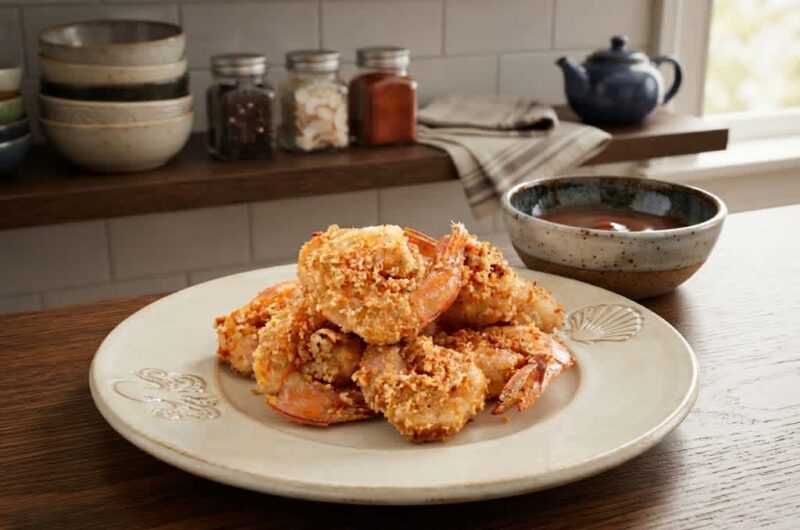
If you are looking for an easy keto fried shrimp recipe with a crisp, golden coating and plenty of flavor, this recipe is a great option for a quick low-carb meal. The shrimp are coated in a simple almond flour batter made with egg, unsweetened almond milk, garlic powder, paprika, salt, and pepper.
They are then fried until the outside becomes golden and crunchy while the shrimp remain tender and juicy inside. The entire recipe takes about 20 minutes from start to finish, making it suitable for busy weeknight dinners, casual lunches, or an easy seafood appetizer.
Why This Keto Fried Shrimp Recipe Works
Traditional fried shrimp are often coated with wheat flour or breadcrumbs, which can make them unsuitable for a ketogenic or low-carb eating plan. This version replaces those higher-carbohydrate coatings with almond flour. Almond flour creates a flavorful coating while keeping the recipe simple and keto-friendly. Combined with egg and unsweetened almond milk, it forms a batter that clings nicely to the shrimp and develops a delicious golden exterior when cooked in hot oil.
Shrimp are also naturally convenient for quick meals because they cook very quickly. Large shrimp only need a few minutes in hot oil before they become opaque in the center and develop a crisp exterior. The short cooking time helps preserve their tender texture. For anyone who enjoys seafood and wants an uncomplicated low-carb dinner, this recipe brings together a handful of everyday ingredients without requiring complicated preparation.
What Makes These Fried Shrimp Keto-Friendly?
The main ingredient that helps keep this recipe low in carbohydrates is almond flour. Instead of using regular all-purpose flour, breadcrumbs, or another traditional breading, almond flour provides the base for the coating. Unsweetened almond milk is also used in the batter, keeping the mixture free from the added sugars that can appear in some flavored or sweetened milk alternatives.
The shrimp themselves are naturally low in carbohydrates and provide protein, making them a useful ingredient for a keto meal. The remaining ingredients—egg, paprika, garlic powder, salt, pepper, and cooking oil—complete the recipe without introducing a traditional flour-based coating. When served with an appropriate low-carb side or dipping sauce, these crispy shrimp can easily fit into a keto-inspired meal plan.
Choosing the Right Shrimp
Large shrimp work particularly well for this recipe because they are substantial enough to hold the almond flour coating and remain juicy during the short frying process. Peeled and deveined shrimp make preparation easier, while keeping the tails intact gives you something convenient to hold while dipping the shrimp into the batter.
Fresh or properly thawed frozen shrimp can be used. If using frozen shrimp, thaw them completely before cooking and remove excess moisture with a clean paper towel. Shrimp that are very wet can make the batter less likely to stick, and excess moisture can also cause hot oil to splatter. Taking a moment to dry the shrimp before dipping helps create a more consistent coating.
Preparing the Shrimp for Frying
Begin by cleaning and washing the shrimp while leaving the tails attached. If the shrimp have not already been peeled and deveined, remove the shell and digestive vein carefully. Once cleaned, gently pat the shrimp dry. This small preparation step can make a noticeable difference because a dry surface gives the batter something better to cling to.
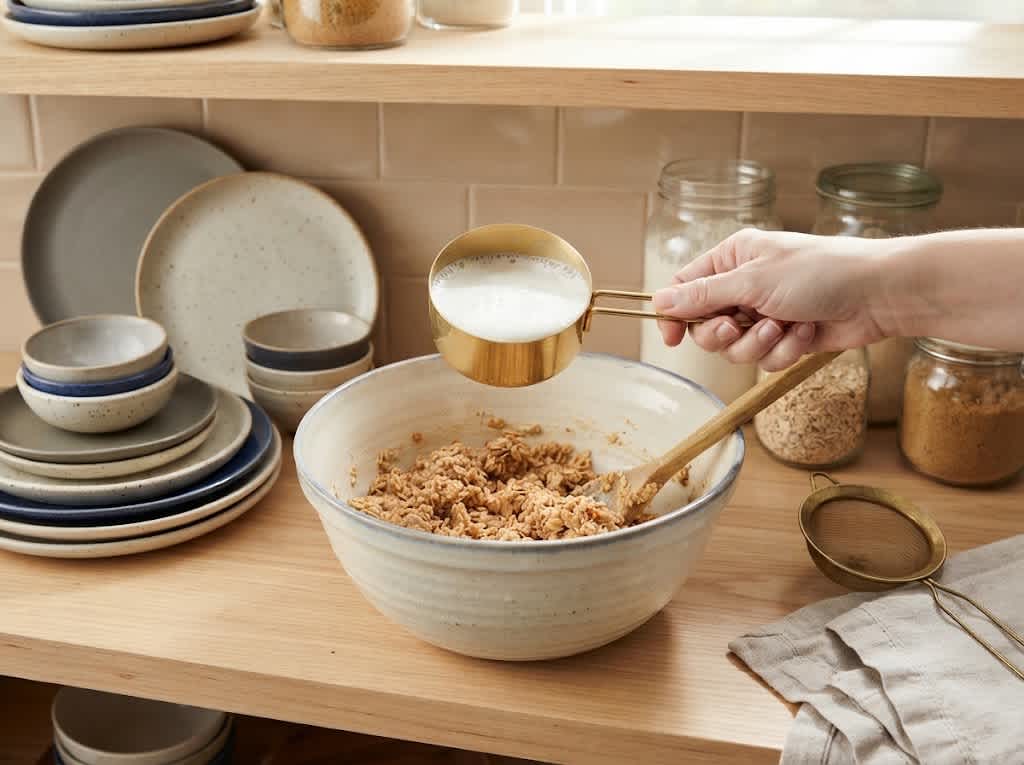
The batter is made by combining almond flour, egg, unsweetened almond milk, garlic powder, paprika, salt, and pepper in a bowl. Stir everything together until the ingredients are evenly incorporated. The finished mixture should be thick enough to coat the shrimp rather than running completely off their surface. A good coating is important because it creates the crisp outer layer that makes fried shrimp so enjoyable.
How to Get a Crispy Coating
The key to crispy keto fried shrimp is controlling the oil temperature and avoiding overcrowding. When the oil is properly heated, the batter begins cooking as soon as it touches the oil. This helps form the golden exterior while preventing the shrimp from absorbing too much oil.
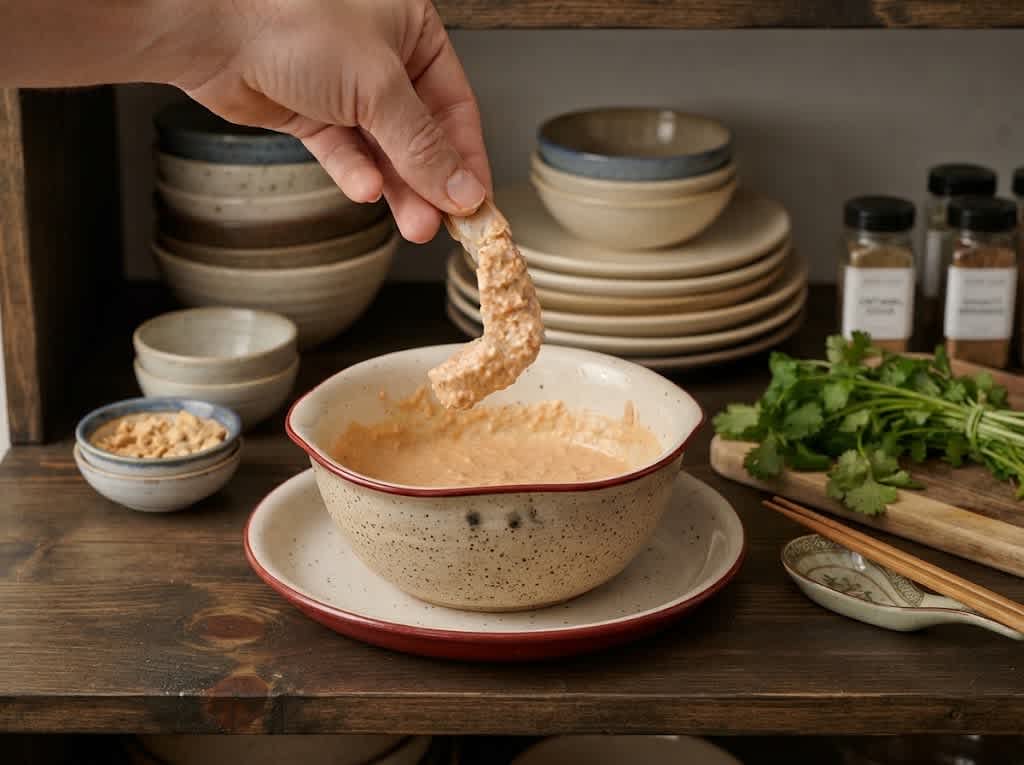
For each shrimp, hold the tail and dip the body into the prepared batter. Make sure the shrimp receives a generous coating before carefully transferring it to the hot oil. Work in small batches instead of adding all the shrimp at once. Too many shrimp in the skillet can lower the oil temperature, resulting in a softer coating and uneven cooking.
Frying the Shrimp on the Stove
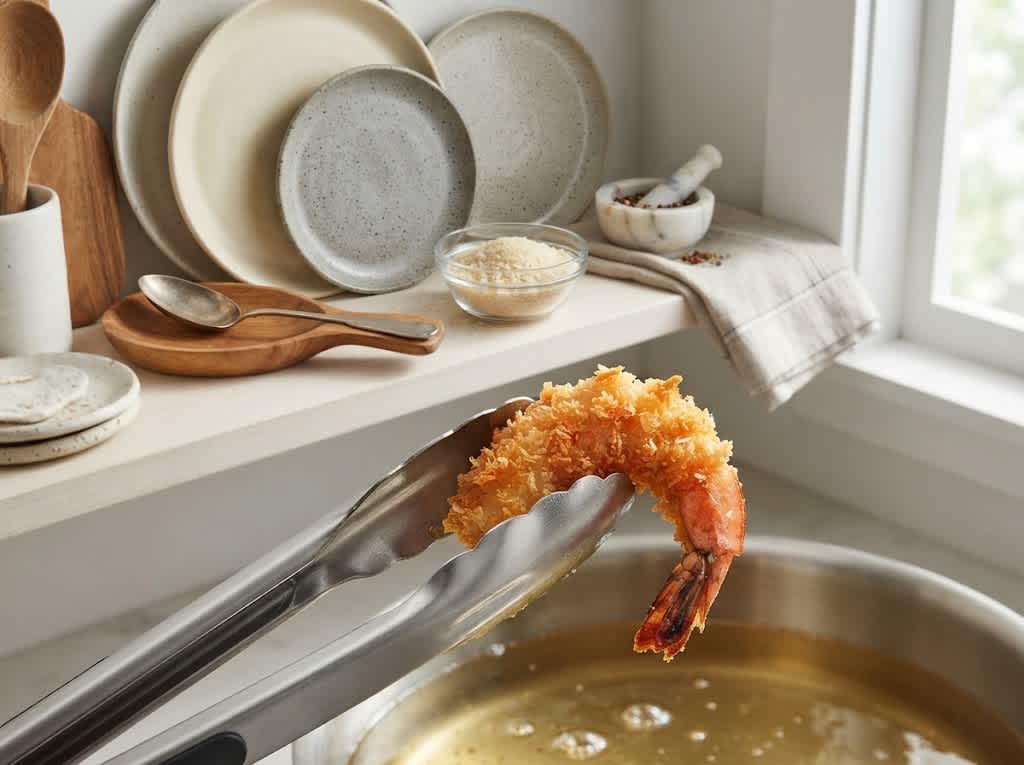
Heat your preferred cooking oil in a deep skillet over medium-high heat. The oil should be hot before the coated shrimp are added. Carefully lower a few shrimp into the oil, leaving enough room between them so they can cook evenly. Fry them for approximately 3 to 5 minutes, watching the exterior as it develops a golden-brown color.
Shrimp cook quickly, so avoid leaving them in the oil longer than necessary. The center should become opaque rather than translucent, while the outside should have a cooked, golden coating. Once finished, remove the shrimp carefully and continue with the remaining batches. Working patiently in small amounts helps maintain a better texture throughout the recipe.
Air Fryer Keto Fried Shrimp Option
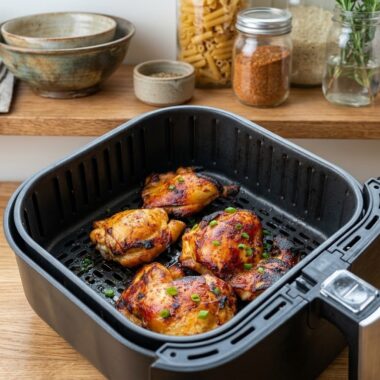
If you prefer not to deep-fry your shrimp, an air fryer can provide an alternative cooking method. Air frying is especially useful for people who want the convenience of crispy seafood without using a deep skillet filled with oil. Preheat the air fryer according to its instructions before beginning the cooking process.
Prepare the shrimp with the same almond flour batter and arrange them in the air fryer basket without overcrowding. Keeping space between the shrimp allows hot air to circulate around the coating. Because air fryer models vary in power and design, cooking times can differ, so monitor the shrimp closely and check that the coating is golden and the center is opaque before serving.
Flavor and Seasoning
Paprika and garlic powder give this recipe its main savory flavor. Paprika contributes a warm, slightly sweet pepper note, while garlic powder adds a familiar savory depth without requiring fresh garlic. Salt and pepper provide the basic seasoning needed to bring the other ingredients together.
The recipe can be served with your preferred low-carb dipping sauce. When choosing a prepared sauce, check the label for added sugar and carbohydrate content if you are following a strict keto eating plan. A simple low-carb dipping option can complement the crispy almond flour coating without overwhelming the natural flavor of the shrimp.
What to Serve With Keto Fried Shrimp
Crispy keto shrimp can be served as an appetizer, snack, lunch, or part of a larger dinner. For a complete low-carb meal, pair the shrimp with a fresh salad or another suitable low-carb side. Crisp vegetables can provide freshness and contrast to the warm, crunchy shrimp.
You can also serve the shrimp alongside other seafood or vegetable-based dishes when preparing a larger meal. Since the shrimp cook so quickly, they are especially convenient when you want a satisfying protein option without spending a long time in the kitchen.
How to Avoid Soggy Fried Shrimp
Several simple cooking habits can help maintain a crisp coating. First, make sure the oil is sufficiently hot before adding the shrimp. If the oil is not ready, the coating may absorb more oil and become less crisp. Second, avoid putting too many shrimp into the skillet at one time. Overcrowding reduces the available cooking space and can lower the oil temperature.
It is also helpful to avoid letting the coated shrimp sit for too long before frying. Prepare them in a steady sequence and transfer each batch into the hot oil carefully. Once cooked, handle the shrimp gently so the coating remains intact.
How to Store Leftover Shrimp
Fried shrimp are best enjoyed soon after cooking because the coating is at its crispest when fresh. If you have leftovers, allow them to cool before placing them in an appropriate airtight container and refrigerating them. When reheating, an oven or air fryer can help restore some of the exterior crispness better than simply microwaving the shrimp.
Avoid repeatedly reheating the same shrimp because seafood can become dry and rubbery when exposed to excessive heat. Reheat only the amount you plan to eat. Always check leftovers carefully before consuming and follow appropriate food-storage practices.
Notes for Making Keto Fried Shrimp
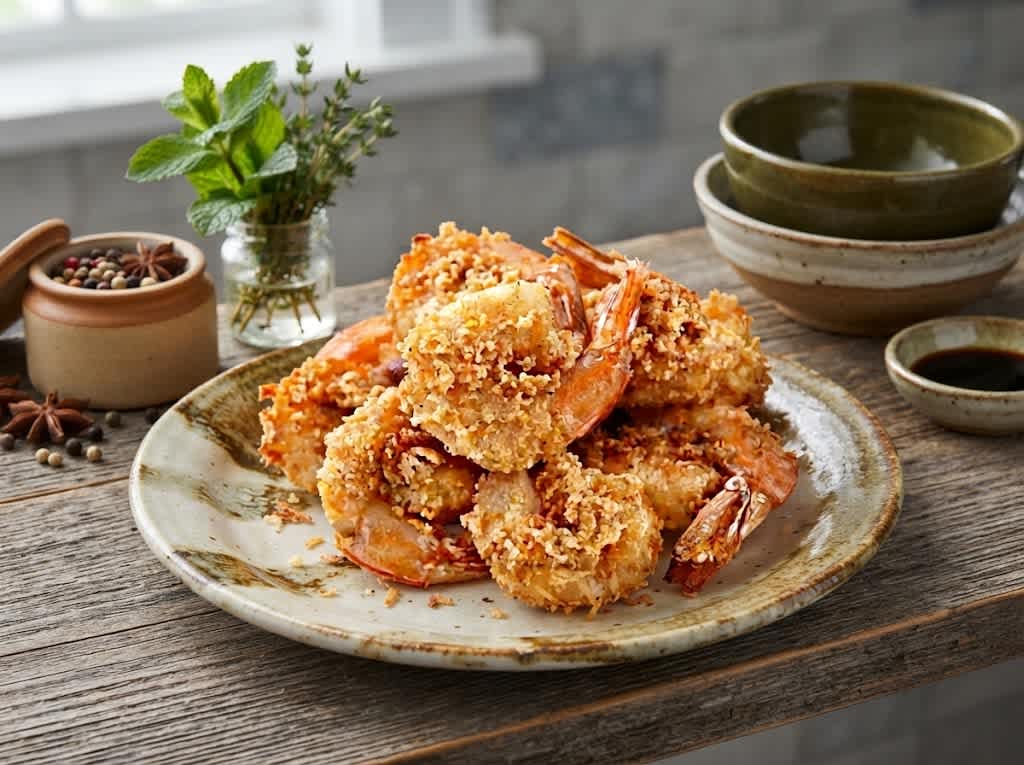
For the best results, use large shrimp and dry them well before adding the batter. The shrimp should be coated evenly, but there is no need to make the coating excessively thick. When frying, cook only a few pieces at a time so the oil maintains a suitable temperature. The shrimp should be golden on the outside and opaque in the center when done.
The recipe also includes an air fryer option for those who prefer that method. Air fryer performance varies, so the exact cooking time may need to be adjusted according to the appliance. Whether fried on the stovetop or prepared in an air fryer, the shrimp should be cooked until safely done while maintaining a crisp coating.
Common Questions About Keto Fried Shrimp
Can I use almond flour instead of regular flour?
Yes. Almond flour is specifically used in this recipe as the coating base instead of traditional wheat flour. It provides a suitable low-carb alternative and works with the egg and almond milk to create the batter used for coating the shrimp.
Can I make these shrimp in an air fryer?
Yes. The recipe can be prepared in an air fryer as an alternative to stovetop frying. Preheat the appliance, arrange the battered shrimp without overcrowding, and cook until the coating is golden and the shrimp are opaque in the center. Because air fryers differ, monitor the shrimp during cooking.
How long should shrimp be fried?
The provided cooking instructions call for approximately 3 to 5 minutes. The exact time can vary depending on the size of the shrimp and the cooking temperature. Look for a golden exterior and an opaque center as indicators that the shrimp are cooked.
Are these shrimp suitable for a low-carb meal?
The recipe uses almond flour and unsweetened almond milk instead of traditional flour and sweetened milk, making it suitable for a low-carb style of eating. If following a strict ketogenic diet, consider the carbohydrate content of any dipping sauce or side dish served with the shrimp.
Keto Fried Shrimp
 Recipe by admin
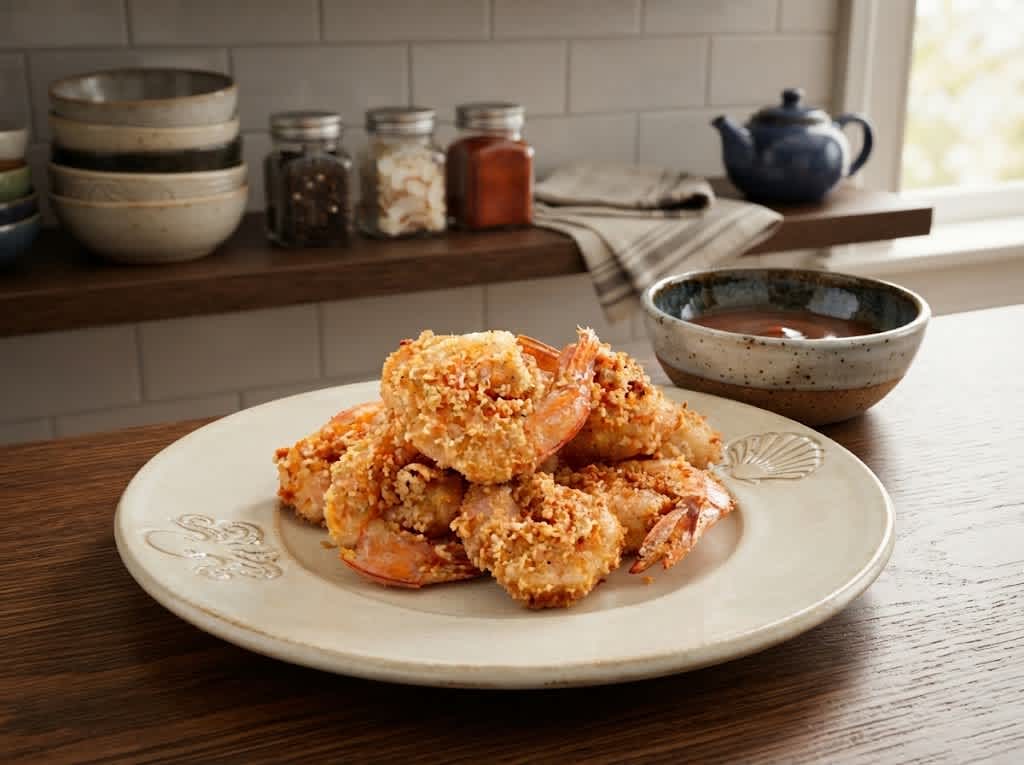
Crispy keto fried shrimp made with large shrimp, almond flour, unsweetened almond milk, egg, paprika, garlic powder, salt, and pepper.
6
servings15
minutes5
minutes20
minutesIngredients
1 ½ pounds large shrimp tails, peeled and deveined
cooking oil of choice
1 cup almond flour
½ cup unsweetened almond milk
1 egg
1 teaspoon paprika
1 teaspoon garlic powder
salt and pepper, to taste
Directions
- Heat the cooking oil in a deep skillet over medium-high heat. If using an air fryer instead, preheat it according to the manufacturer’s instructions.
- Clean and wash the shrimp, keeping the tails intact. Pat the shrimp dry to remove excess moisture before coating.
- Add the almond flour, egg, unsweetened almond milk, garlic powder, paprika, salt, and pepper to a bowl. Stir until the ingredients are thoroughly combined into a batter.
- Hold each shrimp by its tail and dip it into the batter. Make sure the shrimp receives a good, even coating before cooking.
- Carefully place the coated shrimp into the hot oil. Cook only a few shrimp at a time to prevent overcrowding and help maintain the oil temperature.
- Fry the shrimp for approximately 3 to 5 minutes, or until the coating becomes golden brown and the center of the shrimp is opaque.
- Remove the cooked shrimp carefully and continue coating and frying the remaining shrimp in batches.
- Serve the crispy shrimp with your preferred dipping sauce, fresh salad, or another low-carb side dish.
- For the air fryer method, arrange the coated shrimp in the preheated air fryer basket without overcrowding and cook until golden and fully cooked, adjusting the cooking time according to your appliance.