Introduction
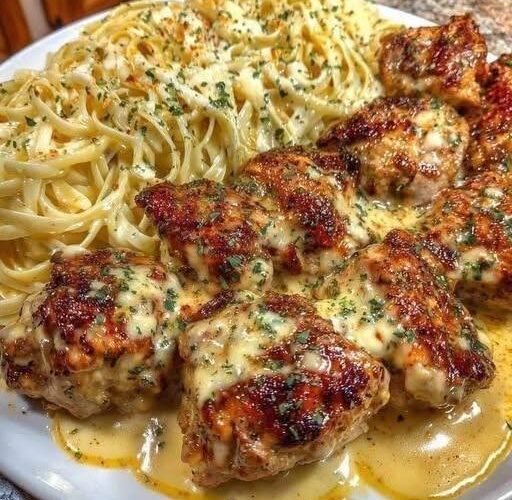
Creamy Garlic Butter Chicken is the kind of comforting homemade dinner that feels special without requiring complicated ingredients or difficult techniques. Tender chicken breasts are seasoned generously, pan-seared until beautifully golden on the outside, and then finished in a rich, creamy garlic butter sauce. The sauce is smooth, savory, buttery, and packed with garlic flavor, with just enough Parmesan cheese to give it extra richness and depth. Every bite of chicken gets coated in the creamy sauce, making this dish perfect for serving with mashed potatoes, rice, pasta, crusty bread, or steamed vegetables.
This recipe is especially useful when you want a satisfying dinner that can be prepared in one skillet. The chicken cooks directly in the pan, and the browned bits left behind after searing become part of the sauce. Those little caramelized pieces add tremendous flavor, so avoid washing or wiping the skillet before making the sauce. Instead, use a wooden spoon or spatula to gently loosen them as the cream simmers.
The garlic is the star of the sauce, but the butter, cream, Parmesan, chicken stock, and herbs all work together to create a balanced flavor. Fresh garlic gives the strongest and freshest taste, while butter provides richness and helps carry the garlic throughout the sauce. Heavy cream creates a velvety consistency, while Parmesan adds a salty, nutty finish.
The chicken can be made with boneless skinless chicken breasts, chicken thighs, or even thin chicken cutlets. If using large chicken breasts, slicing them horizontally into thinner pieces helps them cook more evenly and keeps them tender. Chicken thighs are naturally juicy and forgiving, making them another excellent option.
Preparation Time
Prep Time: 15 minutes
Cooking Time: 25–30 minutes
Total Time: Approximately 40–45 minutes
Servings: 4
Ingredients
For the chicken:
4 boneless, skinless chicken breasts
1 teaspoon salt
1 teaspoon black pepper
1 teaspoon paprika
1 teaspoon Italian seasoning
½ teaspoon onion powder
½ teaspoon garlic powder
2 tablespoons all-purpose flour, optional
2 tablespoons olive oil
2 tablespoons unsalted butter
For the creamy garlic butter sauce:
4 tablespoons unsalted butter
8–10 cloves fresh garlic, finely minced
1 small onion, finely chopped
1 cup chicken broth
1 cup heavy cream
½ cup freshly grated Parmesan cheese
1 teaspoon Italian seasoning
½ teaspoon dried oregano
¼ teaspoon red pepper flakes, optional
½ teaspoon black pepper
Salt, to taste
2 tablespoons chopped fresh parsley
For finishing:
¼ cup freshly grated Parmesan cheese
1 tablespoon chopped fresh parsley
1 tablespoon butter, if needed
Choosing the Chicken
Chicken breasts are ideal for this recipe because they cook quickly and provide a generous amount of lean meat. However, the thickness of the chicken matters. Very thick chicken breasts can take longer to cook and may become dry on the outside before the center reaches a safe temperature.
For evenly cooked chicken, place each breast on a cutting board and carefully slice it horizontally through the middle to create two thinner pieces. You can also gently pound the chicken between two pieces of parchment paper until it has an even thickness.
Chicken thighs can be substituted if preferred. Boneless skinless thighs usually need a little longer cooking time than thin chicken breast pieces, but they remain moist and flavorful.
Preparing the Chicken
Begin by patting the chicken dry with paper towels. Removing excess moisture helps the chicken develop a better golden crust when it hits the hot skillet.
Season both sides with salt, black pepper, paprika, Italian seasoning, onion powder, and garlic powder. Rub the seasoning gently into the chicken so that every surface is covered.
If you want a slightly thicker golden crust, lightly dust the seasoned chicken with flour. The flour is optional, but it helps create a beautiful exterior and can also give the finished sauce a little more body when the browned chicken pieces are returned to the skillet.
Shake off any excess flour. The chicken should have only a thin coating.
Searing the Chicken
Place a large heavy skillet over medium-high heat. Allow the skillet to become hot before adding the oil.
Add the olive oil and let it heat for a few seconds. Carefully place the chicken into the skillet without overcrowding the pan. If necessary, cook the chicken in batches.
Allow the chicken to cook undisturbed for approximately 4–6 minutes, depending on thickness. You want the underside to become deeply golden rather than pale.
Turn the chicken and cook the second side for another 4–6 minutes, or until the chicken is cooked through and reaches an internal temperature of 165°F (74°C).
Do not worry if the chicken is not completely browned on every surface. The important thing is to create a flavorful crust and leave some browned bits in the skillet.
Transfer the cooked chicken to a plate and loosely cover it with foil.
The chicken will return to the sauce later, so avoid overcooking it at this stage.
Building the Garlic Butter Sauce
Reduce the heat to medium.
Add the butter to the same skillet. As it melts, scrape the bottom of the pan gently with a wooden spoon or spatula. Those browned pieces contain concentrated chicken and seasoning flavor and will become part of the sauce.
Add the chopped onion and cook for approximately 2–3 minutes, stirring occasionally, until it begins to soften.
Add the minced garlic. Cook for about 30–60 seconds, stirring continuously. Fresh garlic cooks quickly, so watch it carefully. You want it fragrant and lightly softened but not dark brown or burned.
If garlic burns, it can become bitter, so keeping the heat moderate is important.
Adding the Chicken Broth
Pour the chicken broth slowly into the skillet.
The liquid will immediately loosen the browned bits from the bottom. Scrape the pan thoroughly while stirring.
Allow the broth to simmer for 2–3 minutes. This gives the liquid time to reduce slightly and concentrate the flavor.
Add the Italian seasoning, oregano, black pepper, and red pepper flakes if using.
Taste the liquid carefully before adding more salt because the chicken broth and Parmesan will both contribute saltiness.
Making the Creamy Sauce
Reduce the heat to medium-low and slowly pour in the heavy cream.
Stir continuously as the cream combines with the garlic butter mixture.
Allow the sauce to gently simmer for approximately 3–5 minutes. Avoid boiling it aggressively because very high heat can cause dairy-based sauces to separate.
Once the sauce begins to thicken slightly, add the freshly grated Parmesan cheese.
Stir until the Parmesan melts completely into the sauce.
The finished sauce should be creamy enough to coat the back of a spoon. It will continue thickening slightly as it cools.
If the sauce becomes too thick, add a small splash of chicken broth or cream. If it is too thin, allow it to simmer gently for another few minutes.
Returning the Chicken to the Skillet
Place the seared chicken pieces back into the skillet.
Spoon the creamy garlic butter sauce over the chicken.
Reduce the heat to low, cover the skillet loosely, and allow the chicken to simmer in the sauce for approximately 3–5 minutes.
This final step allows the chicken to absorb some of the garlic, butter, cream, and Parmesan flavors while giving the sauce time to cling to the chicken.
If the chicken was already fully cooked before returning it to the skillet, avoid simmering it for too long. You only need enough time to warm it thoroughly and combine the flavors.
Finishing the Dish
Turn off the heat.
Sprinkle the chicken with freshly chopped parsley and a little additional Parmesan cheese.
For an extra buttery finish, stir one small tablespoon of butter into the sauce immediately before serving. This is optional but gives the sauce an especially silky texture.
Taste the sauce one final time. Adjust the seasoning with a little salt, black pepper, Parmesan, or red pepper flakes according to your preference.
The sauce should taste creamy and rich, with noticeable garlic, savory chicken flavor, gentle Parmesan saltiness, and a buttery finish.
Texture Notes
The ideal chicken should be tender enough to cut easily with a fork while still having a lightly browned exterior.
The sauce should be thick and creamy but still fluid enough to spoon over the chicken.
If you prefer a thinner sauce, add extra chicken broth.
If you prefer a thicker sauce, simmer the sauce slightly longer before returning the chicken to the pan.
Freshly grated Parmesan generally melts more smoothly than pre-shredded Parmesan because many packaged cheeses contain anti-caking ingredients.
How to Prevent Dry Chicken
One of the most important parts of this recipe is avoiding overcooking the chicken.
Chicken breast has very little fat, so it can become dry if cooked too long.
Using thinner chicken pieces makes it easier to cook them evenly.
Another useful technique is to use an instant-read thermometer. Remove the chicken from the heat once it reaches a safe internal temperature of 165°F (74°C).
The chicken also benefits from resting briefly after searing before it is added back to the sauce.
The final gentle simmer should be short because the chicken is already cooked.
Garlic Tips
Fresh garlic makes a significant difference in this recipe.
For a mild garlic flavor, use about 5–6 cloves.
For a stronger garlic flavor, use 8–10 cloves.
For an intensely garlicky dinner, you can use even more, but add it carefully and cook it gently.
Do not allow the garlic to become dark brown. Light golden garlic can taste pleasant, but burnt garlic becomes bitter and can overpower the entire sauce.
Finely minced garlic distributes throughout the sauce, while thinly sliced garlic creates small flavorful pieces throughout the dish.
Adding Vegetables
This recipe is easy to turn into a complete skillet meal by adding vegetables.
Spinach is one of the easiest additions. Add a few handfuls of fresh spinach during the final few minutes and stir until wilted.
Sliced mushrooms are another excellent option. Cook them after removing the chicken and before making the sauce. Let them brown properly so they develop a deep savory flavor.
Broccoli can be lightly steamed or blanched before being added to the finished sauce.
You can also add asparagus, zucchini, bell peppers, peas, or sun-dried tomatoes.
If adding vegetables, avoid overcrowding the skillet because too much moisture can thin the sauce.
Mushroom Garlic Butter Chicken Variation
For a mushroom version, slice approximately 8 ounces of mushrooms.
After searing the chicken, remove it from the skillet.
Add a small amount of butter and cook the mushrooms over medium-high heat until they release their moisture and become golden.
Then continue with the garlic butter sauce.
The mushrooms absorb the creamy sauce beautifully and make the dish even more substantial.
Spinach Garlic Butter Chicken
For spinach garlic butter chicken, prepare the recipe normally.
During the final few minutes of cooking, add 2–3 cups of fresh baby spinach.
Cover the skillet for approximately one minute to help the spinach wilt.
Then stir it gently into the sauce.
The spinach adds color, freshness, and a pleasant contrast to the rich sauce.
Spicy Creamy Garlic Butter Chicken
If you enjoy spicy food, increase the red pepper flakes to ½–1 teaspoon.
You can also add a pinch of cayenne pepper to the chicken seasoning.
Another option is to add a small amount of crushed chili while sautéing the garlic.
For a stronger spicy-garlic flavor, finish the dish with freshly cracked black pepper and additional chili flakes.
Lemon Garlic Butter Chicken
For a lighter and brighter variation, add 1–2 tablespoons of fresh lemon juice to the finished sauce.
You can also add a little finely grated lemon zest.
The acidity cuts through the richness of the butter and cream and gives the dish a fresher flavor.
Do not add too much lemon juice at once because excessive acidity can affect the texture of a cream sauce.
Serving Ideas
Creamy Garlic Butter Chicken pairs beautifully with mashed potatoes.
Spoon a generous amount of sauce over the mashed potatoes and place the chicken on top.
Rice is another excellent option because it absorbs the creamy garlic sauce.
Steamed white rice, basmati rice, brown rice, or garlic rice can all work well.
Pasta is especially delicious with this recipe. Fettuccine, linguine, penne, spaghetti, or bow-tie pasta can all be used.
Cook the pasta separately and toss it with some of the creamy sauce before serving.
Crusty bread is perhaps the easiest accompaniment. A warm piece of bread is perfect for scooping up the remaining garlic butter sauce.
For a lighter meal, serve the chicken with steamed broccoli, green beans, asparagus, zucchini, or a fresh salad.
Serving With Pasta
If serving this chicken with pasta, reserve approximately ½ cup of pasta cooking water before draining the pasta.
Add the cooked pasta to the skillet after removing the chicken.
Toss the pasta with the creamy sauce and add a small amount of pasta water if necessary.
The starch in the pasta water helps the sauce cling to the noodles.
Place the chicken on top and finish with Parmesan and parsley.
Serving With Rice
For rice, spoon the creamy sauce directly over freshly cooked rice.
Basmati rice works particularly well because its light texture balances the richness of the sauce.
You can also prepare simple garlic rice by sautéing a little minced garlic in butter before adding cooked rice.
Serving With Mashed Potatoes
Creamy Garlic Butter Chicken and mashed potatoes make an especially comforting combination.
Prepare smooth mashed potatoes using potatoes, butter, milk or cream, salt, and black pepper.
Place a portion of mashed potatoes on each plate and top with chicken.
Spoon the garlic butter sauce generously over everything.
Storage
Allow leftovers to cool before transferring them to an airtight container.
Store the chicken and sauce in the refrigerator for up to 3–4 days.
Because the sauce contains cream and Parmesan, it is best reheated gently.
Place the chicken and sauce in a skillet over low to medium-low heat.
Add a small splash of chicken broth, milk, or cream.
Cover and warm slowly, stirring the sauce occasionally.
Avoid rapidly boiling the sauce during reheating.
Freezing
Cream-based sauces can sometimes change texture after freezing and thawing, so freezing is not the preferred storage method for this recipe.
If you do freeze it, allow the dish to cool completely and store it in a freezer-safe airtight container.
Thaw overnight in the refrigerator.
Reheat gently and add a small amount of cream or broth to help restore the sauce’s consistency.
Make-Ahead Instructions
The chicken can be seasoned several hours in advance and kept refrigerated.
You can also prepare the chicken completely, refrigerate it, and make the sauce shortly before serving.
For the best texture, the sauce is preferable when freshly prepared.
If preparing the entire dish ahead of time, reheat it gently rather than bringing it to a rapid boil.
Helpful Tips
Use a large skillet so the chicken has enough room to brown properly.
Pat the chicken dry before seasoning.
Do not move the chicken constantly while searing.
Allow the pan to become hot before adding the chicken.
Do not burn the garlic.
Scrape the browned bits from the bottom of the pan when adding the chicken broth.
Use freshly grated Parmesan when possible.
Keep the cream at a gentle simmer rather than a hard boil.
Taste the sauce before adding extra salt.
Do not overcook the chicken during the final simmer.
Allow the sauce to thicken naturally rather than adding too much flour.
If using flour on the chicken, use only a light coating.
Troubleshooting the Sauce
If the sauce is too thin, simmer it uncovered for a few additional minutes.
If the sauce is too thick, add chicken broth or cream one tablespoon at a time.
If the sauce tastes too salty, add a little more cream and a small amount of unsalted butter.
If the sauce tastes too rich, a small amount of lemon juice can brighten it.
If the garlic flavor is too strong, adding more cream and Parmesan can help balance it.
If the sauce separates slightly, lower the heat and whisk in a small splash of warm cream or broth.
Nutritional Notes
Chicken provides a substantial amount of protein, while garlic contributes flavorful plant compounds and the herbs add additional flavor without requiring large amounts of salt.
The butter, cream, and Parmesan make this recipe rich, so portion size and side dishes can be adjusted according to your dietary needs.
For a lighter version, replace some of the heavy cream with evaporated milk or a lower-fat dairy option. Keep in mind that the texture may be less rich and the sauce may not thicken in exactly the same way.
You can also increase the vegetables and serve the chicken with a lighter side such as steamed broccoli or a green salad.
Flavor Variations
For an Italian-style version, add extra Italian seasoning, Parmesan, parsley, and a small amount of basil.
For a Cajun-inspired version, season the chicken with Cajun seasoning and add a pinch of cayenne.
For a mushroom version, add browned mushrooms.
For a spinach version, stir fresh spinach into the sauce.
For a sun-dried tomato version, add chopped sun-dried tomatoes to the sauce.
For a lemon version, finish with fresh lemon juice and zest.
For a spicy version, increase the chili flakes.
For a cheesy version, add a little shredded mozzarella along with the Parmesan.
Creamy Garlic Butter Chicken With Sun-Dried Tomatoes
To make a sun-dried tomato variation, add approximately ½ cup chopped sun-dried tomatoes after sautéing the garlic.
Cook them briefly before adding the chicken broth.
The tomatoes contribute a slightly sweet, tangy, savory flavor that works extremely well with garlic and cream.
A handful of fresh spinach can also be added at the end.
Creamy Garlic Butter Chicken With Broccoli
Steam approximately 2 cups of broccoli until just tender.
Prepare the chicken and sauce as directed.
Add the broccoli during the final few minutes and spoon the sauce over it.
This makes the dish more filling and adds freshness and texture.
Creamy Garlic Butter Chicken With Pasta
Prepare approximately 12 ounces of pasta according to the package instructions.
Reserve some pasta water.
Prepare the chicken and sauce.
Remove the chicken temporarily and add the drained pasta directly into the skillet.
Toss until coated.
Add a splash of pasta water if necessary.
Return the chicken to the pan and garnish with Parmesan and parsley.
Creamy Garlic Butter Chicken With Potatoes
For a hearty dinner, serve the chicken with roasted potatoes.
Cut baby potatoes into halves, toss with oil, salt, pepper, and herbs, and roast until golden and tender.
Serve the creamy chicken alongside the potatoes and spoon the garlic sauce over both.
Restaurant-Style Presentation
For an attractive presentation, place the chicken breast slightly off-center on a plate.
Spoon the creamy garlic butter sauce over the top, allowing some of it to pool around the chicken.
Add a small amount of Parmesan and chopped parsley.
If serving with pasta, arrange the pasta beside or underneath the chicken.
For an elegant finishing touch, add a few thin slices of lemon or a small sprinkle of fresh herbs.
The goal is not to overdecorate the plate. The creamy sauce and golden chicken should remain the focus.