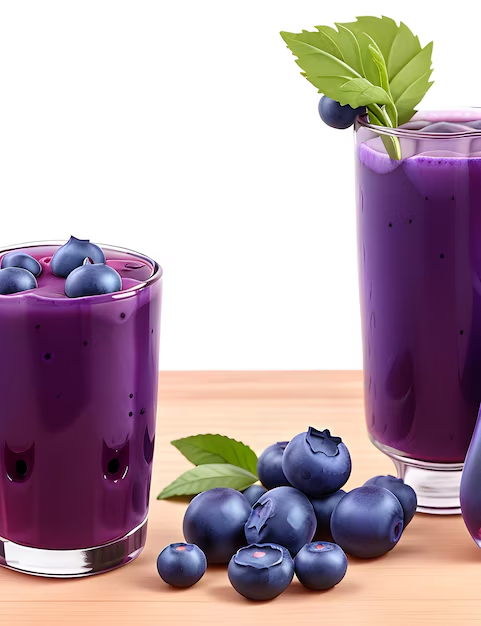
Blueberry juice is a refreshing, nutritious drink that highlights the natural sweetness and vibrant flavor of blueberries. Making it at home allows you to control the sweetness, avoid artificial additives, and preserve as much of the fruit’s nutritional value as possible. This comprehensive recipe explains every step in detail, from selecting the best blueberries to storing the finished juice.
Introduction
Blueberries are known for their deep blue-purple color, sweet-tart flavor, and high concentration of antioxidants. Homemade blueberry juice can be enjoyed on its own, mixed into smoothies, used as a base for mocktails, or served alongside breakfast and snacks.
This recipe produces a smooth, flavorful juice that can be customized according to your taste preferences. You can make it sweeter, tangier, thicker, or lighter depending on how you prepare it.
Preparation Time
- Preparation time: 15 minutes
- Cooking time: 10–15 minutes
- Straining time: 10 minutes
- Total time: Approximately 35–40 minutes
Yield
- Approximately 4 servings
- Makes about 4 cups (1 liter) of juice
Ingredients
Main Ingredients
- 4 cups fresh blueberries (about 600 grams)
- 4 cups water
- 2 to 4 tablespoons sugar, honey, or any preferred sweetener (optional)
- 1 tablespoon fresh lemon juice (optional but recommended)
Optional Flavor Enhancers
- A few fresh mint leaves
- A small piece of ginger
- A pinch of cinnamon
- A few strawberries for added sweetness
- A small amount of orange juice for a citrus note
Choosing the Best Blueberries
The quality of your blueberries greatly affects the final flavor of the juice.
Look for blueberries that are:
- Deep blue or purple in color
- Firm and plump
- Free from mold or soft spots
- Dry rather than wet or sticky
Fresh blueberries generally provide the best flavor, but frozen blueberries can also be used successfully. If using frozen berries, there is no need to thaw them completely before cooking.
Equipment Needed
- Large saucepan
- Wooden spoon
- Fine mesh strainer
- Cheesecloth (optional for clearer juice)
- Large bowl
- Measuring cups
- Blender (optional)
- Pitcher for serving
Step 1: Wash the Blueberries
Place the blueberries in a colander and rinse them thoroughly under cool running water.
Carefully inspect the berries and remove:
- Stems
- Leaves
- Damaged berries
- Unripe berries
Allow excess water to drain before proceeding.
Step 2: Cook the Blueberries
Transfer the blueberries to a large saucepan.
Add the water and place the pan over medium heat.
Bring the mixture to a gentle boil. Once it begins to boil, reduce the heat and allow it to simmer.
As the blueberries cook, they will start to burst and release their juices. Stir occasionally with a wooden spoon to help break down the fruit.
Continue simmering for 10 to 15 minutes until:
- Most berries have burst
- The liquid becomes deep purple
- The mixture develops a rich blueberry aroma
Step 3: Mash the Berries
Using the back of a spoon or a potato masher, gently crush the softened blueberries.
This step helps extract as much juice and flavor as possible.
Do not over-mash if you want a clearer juice. For maximum flavor extraction, however, a thorough mash is beneficial.
Step 4: Strain the Juice
Place a fine mesh strainer over a large bowl.
Carefully pour the blueberry mixture through the strainer.
Allow the liquid to drain naturally for several minutes.
For additional extraction:
- Gently press the fruit solids with the back of a spoon.
- Avoid pressing too aggressively if you want a clearer juice.
For exceptionally smooth juice, line the strainer with cheesecloth before straining.
The remaining fruit pulp can be saved and used in:
- Smoothies
- Yogurt
- Oatmeal
- Muffins
- Pancakes
Step 5: Add Sweetener and Lemon Juice
While the juice is still warm, stir in:
- Sugar, honey, or another sweetener
- Fresh lemon juice
The lemon juice enhances the blueberry flavor and adds brightness to the drink.
Taste the juice and adjust the sweetness as desired.
Some blueberries are naturally sweet enough that additional sweetener may not be necessary.
Step 6: Cool the Juice
Allow the juice to cool to room temperature.
Once cooled, transfer it to a pitcher and refrigerate for at least one hour.
Chilling improves both the flavor and texture of the juice.
Step 7: Serve
Pour the chilled blueberry juice into glasses.
Serve cold for the best experience.
For a lighter beverage, dilute with a small amount of cold water.
For a richer flavor, serve it undiluted.
Alternative Blender Method
If you prefer a quicker method, you can make blueberry juice using a blender.
Ingredients
- 4 cups blueberries
- 3 cups cold water
- Sweetener to taste
- 1 tablespoon lemon juice
Method
- Place all ingredients into a blender.
- Blend until completely smooth.
- Pour the mixture through a fine mesh strainer.
- Press gently to extract the liquid.
- Chill and serve.
This method creates a slightly thicker juice with more fiber.
Tips for the Best Blueberry Juice
Use Ripe Fruit
Ripe blueberries provide a sweeter, more balanced flavor and require less added sweetener.
Do Not Overcook
Excessive cooking may reduce the fresh flavor of the berries.
Add Lemon Juice
A small amount of lemon juice brightens the overall taste and helps maintain the juice’s attractive color.
Chill Thoroughly
Blueberry juice tastes significantly better when fully chilled.
Experiment with Flavors
You can create unique variations by adding:
- Ginger for warmth and spice
- Mint for freshness
- Orange juice for citrus notes
- Strawberries for natural sweetness
Nutritional Benefits
Blueberries are rich in nutrients that support overall health.
They provide:
- Vitamin C
- Vitamin K
- Manganese
- Dietary fiber
- Natural plant compounds called anthocyanins
These compounds are responsible for the fruit’s deep blue color and are widely studied for their antioxidant properties.
Storage Instructions
Store the juice in an airtight container in the refrigerator.
- Best consumed within 3 days
- Shake before serving, as natural separation may occur
- Keep refrigerated at all times
For longer storage, freeze the juice in freezer-safe containers for up to 3 months.
Common Mistakes to Avoid
Using Poor-Quality Fruit
Overripe or spoiled blueberries can negatively affect the flavor.
Adding Too Much Sweetener
Excess sugar can overpower the natural blueberry taste.
Skipping the Straining Step
Proper straining improves texture and creates a smoother drinking experience.
Serving Immediately After Cooking
Freshly cooked juice benefits from chilling, which enhances its flavor and refreshment value.
Conclusion
Homemade blueberry juice is simple to prepare, naturally flavorful, and highly customizable. By simmering fresh blueberries, extracting their juice, and balancing the flavor with a touch of lemon and optional sweetener, you can create a vibrant drink that is both refreshing and nutritious. Whether enjoyed at breakfast, served to guests, or used as a healthy alternative to commercial beverages, this blueberry juice recipe delivers a rich berry flavor and excellent freshness in every glass.