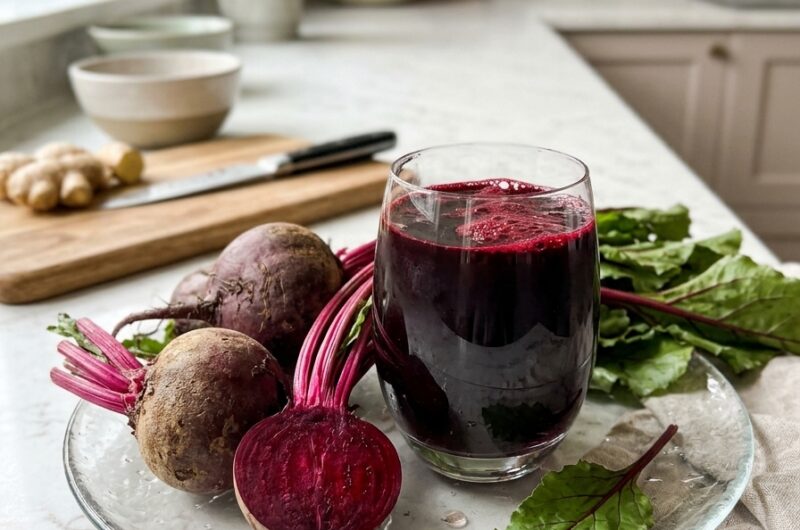
Fresh beetroot juice is a naturally colorful, refreshing vegetable drink with a mildly sweet, earthy flavor. Made from raw beets, this homemade juice is a simple way to enjoy the natural taste of fresh vegetables without complicated preparation. Whether you drink it on its own or combine it with your favorite fruits and vegetables, beetroot juice offers a flexible option for a fresh morning drink, a light afternoon refreshment, or a homemade addition to your daily meals.
Learning how to make beetroot juice at home is easier than many people expect. You can prepare it with a juicer or a regular kitchen blender, depending on the equipment available in your kitchen. The juicer method produces a smoother drink with less pulp, while the blender method provides an easy alternative when you do not own a juicer. Both methods allow you to prepare fresh beet juice whenever you want it.
One of the best things about this fresh beetroot juice recipe is its simplicity. You do not need complicated cooking techniques, special ingredients, or a long preparation time. Fresh beets and a small amount of water are enough to get started with the blender method. You can also experiment with optional additions, such as apples, carrots, ginger, or lemon, to create different flavor combinations that suit your preferences.
What Is Beetroot Juice?
Beetroot juice is a vegetable drink prepared by extracting liquid from fresh beets. Beets are root vegetables known for their deep red or purple color, naturally sweet taste, and earthy aroma. They can be enjoyed cooked, roasted, grated into salads, or blended into smoothies, but juicing them offers another convenient way to use this nutritious vegetable.
Fresh beet juice has a distinctive flavor that can taste stronger than the flavor of cooked beets. Some people enjoy it on its own, while others prefer to balance its earthy taste with sweeter fruits or citrus ingredients. Apples can add natural sweetness, carrots provide a mild vegetable flavor, and lemon juice can introduce a refreshing tang. These additions are optional, so you can keep the basic recipe simple.
Homemade beetroot juice also gives you control over its consistency and flavor. You can strain the blended mixture for a thinner drink or leave some pulp in it if you prefer a thicker texture. Preparing it at home makes it easy to adjust the recipe to your taste without relying on packaged juices, added sweeteners, or unnecessary flavorings.
Health Benefits of Fresh Beetroot Juice
A source of essential nutrients
Beets contain several important nutrients, including folate, potassium, and small amounts of vitamin C, along with other vitamins and minerals. They also contain naturally occurring plant compounds called betalains, which contribute to their rich color and antioxidant activity. Drinking beetroot juice can help you include some of these plant nutrients in your diet as part of an overall balanced eating pattern.
The exact nutritional content of homemade beet juice depends on the number and size of the beets used, the amount of water added, and whether the pulp is removed. When you strain the mixture, some fiber remains in the discarded pulp. If you want to retain more of the whole vegetable’s fiber, consider blending the beets into a smoothie instead of straining them into a clear juice.
Naturally occurring dietary nitrates
Beets are known for containing dietary nitrates, which the body can convert into nitric oxide through several biological processes. Nitric oxide helps blood vessels relax and plays a role in regulating blood flow. Research has investigated beetroot juice in relation to blood pressure and exercise performance, although results vary depending on the individual, the amount consumed, and other factors.
It is important to remember that beetroot juice is a food, not a replacement for prescribed treatment. Drinking it does not guarantee lower blood pressure or improved athletic performance. People managing high blood pressure or other medical conditions should continue following advice from their healthcare professionals rather than relying on a particular juice to manage their health.
Antioxidant plant compounds
The deep color of beetroot comes partly from betalains, a group of plant pigments that have antioxidant properties. Antioxidants help protect cells from oxidative damage as part of the body’s natural processes. Beets also contain other beneficial plant compounds that contribute to their nutritional profile, making them a useful vegetable to include alongside a variety of colorful fruits and vegetables.
Although beetroot is nutritious, no single juice can provide every nutrient the body needs. A balanced diet that includes vegetables, fruits, whole grains, protein sources, and healthy fats remains important. Enjoy fresh beetroot juice as one part of that pattern instead of treating it as a detox drink or a quick solution for weight loss.
Ingredients for Homemade Beetroot Juice
The basic recipe is designed to keep the natural taste of fresh beetroot at the center of the drink. Choose firm, fresh beets without soft spots or signs of spoilage. Smaller or medium-sized beets are often convenient to handle, and their flavor can vary from mildly sweet to strongly earthy depending on the variety and freshness.
Water is needed when you prepare beet juice in a blender because the blades need liquid to help move the chopped vegetables around. The recipe uses approximately one-quarter to one-third cup of water as a starting point. You can adjust the amount slightly if your blender needs more liquid, but adding too much water may make the finished juice less concentrated.
Optional additions can help you create a different flavor without changing the basic preparation method. A small piece of fresh ginger provides a spicy note, lemon juice adds brightness, and apple or carrot can make the drink taste sweeter. If you prefer the pure flavor of beetroot, simply leave these additions out and enjoy the vegetable on its own.
How to Prepare Beets for Juicing
Wash the beets thoroughly
Cleaning the beets is an important first step because they grow underground and may carry soil on their skins. Place the fresh beets in a bowl of water and use a clean vegetable brush to gently remove visible dirt. Pay attention to the areas around the roots and stems, where soil can collect. Rinse them thoroughly under running water once they are clean.
There is no need to use soap or household cleaning products on vegetables. Clean water and a dedicated vegetable brush are sufficient for removing ordinary dirt. If the beets have long stems or leafy tops, trim them away before cutting the roots. Keep the work surface clean and use a suitable cutting board to make preparation easier and safer.
Peel and chop as needed
After washing, trim the root ends and remove any damaged areas. Peeling is optional when the skin is clean and in good condition, although some people prefer to peel beets because the skin can have a slightly stronger earthy flavor. If you decide to peel them, use a vegetable peeler and take care because the natural red pigment can stain your hands, cutting board, and kitchen cloths.
Cut the prepared beets into small chunks before placing them in the blender. Smaller pieces are easier for the blades to process and help create a more even mixture. If you are using a juicer, cut the beets according to the size of its feeding chute. Always follow the manufacturer’s instructions and never force large pieces into the machine.
How to Make Beetroot Juice With a Juicer
A juicer is a convenient option if you prepare fresh vegetable juices regularly. Begin by washing the beets, trimming the ends, and cutting them into pieces that fit comfortably into the machine’s feeding chute. Check the manufacturer’s instructions before using hard root vegetables, as different juicers have different preparation requirements.
Feed the beetroot pieces into the juicer slowly, using the pusher supplied with the appliance when necessary. The machine separates the liquid from most of the solid pulp, producing a smoother juice than the blender method. There is usually no need to add water unless the machine’s instructions specifically recommend it.
Collect the juice in a clean container and stir it before serving. Because this method does not require straining a blended puree, it can be quicker for people who already own a suitable juicer. Clean the appliance promptly after use, especially around the filter and pulp container, where beet pigment can build up if left to dry.
Optional Ingredients for Different Flavors
Beetroot and apple juice
Apple is a useful addition if you prefer a sweeter drink. Its fruity flavor balances the earthy taste of raw beetroot, creating a combination that many people find easier to enjoy. Wash and chop the apple before processing it with the beetroot, following your appliance’s instructions. If using a blender, you may need additional water depending on the amount and juiciness of the fruit.
Beetroot, carrot, and ginger juice
Carrots add a gentle sweetness, while fresh ginger introduces a warming, slightly spicy flavor. This combination is suitable for people who enjoy vegetable juice with more complexity. Start with a small piece of ginger because its taste can become strong quickly. Blend or juice the ingredients together, then adjust the flavor with water or a little lemon juice if desired.
Beetroot and lemon juice
A small squeeze of lemon juice can brighten the flavor of fresh beet juice. Its acidity helps balance the earthy taste and gives the drink a refreshing finish. Add the lemon after extracting the beet juice, stir well, and taste before adding more. Lemon is optional, and the basic recipe works perfectly well without it.
Frequently Asked Questions
Can I make beetroot juice without a juicer?
Yes, a blender is enough to make fresh beetroot juice at home. Blend chopped, washed beets with approximately one-quarter to one-third cup of water until smooth. Then strain the mixture through a fine-mesh strainer lined with cheesecloth or use a clean nut milk bag. This method is practical for people who want homemade juice without purchasing another kitchen appliance.
Do I need to peel beetroot before juicing?
Peeling is optional. If the beets are fresh and thoroughly washed, you can generally process them with the skin on, provided your juicer or blender can handle them. Some people prefer peeling them to reduce the earthy taste. Remove damaged areas and trim the ends before cutting the roots into smaller pieces.
Why does beetroot juice taste earthy?
Beets naturally contain compounds that contribute to their distinctive earthy aroma and flavor. The intensity varies depending on the variety, freshness, and individual taste preferences. Adding apple, carrot, lemon, or ginger can change the flavor balance. You can also dilute the juice with a little water if you prefer a milder drink.
Can I prepare beetroot juice in advance?
Fresh beetroot juice is best enjoyed soon after preparation. If you need to make it ahead, place it in a clean, airtight container and refrigerate it promptly at or below 40°F (4°C). For the best quality, aim to drink it within 24 hours. Discard it if it develops an unusual smell, appearance, or signs of spoilage.
Is beetroot juice suitable for everyone?
Many people can enjoy beetroot juice as part of a balanced diet, but individual circumstances matter. Beets contain oxalates, which may be relevant for people who need to manage certain types of kidney stones. Their natural nitrates may also affect blood pressure. If you have a medical condition, take medication that affects blood pressure, or have been advised to restrict oxalates or potassium, ask your healthcare professional whether beet juice is suitable for you.
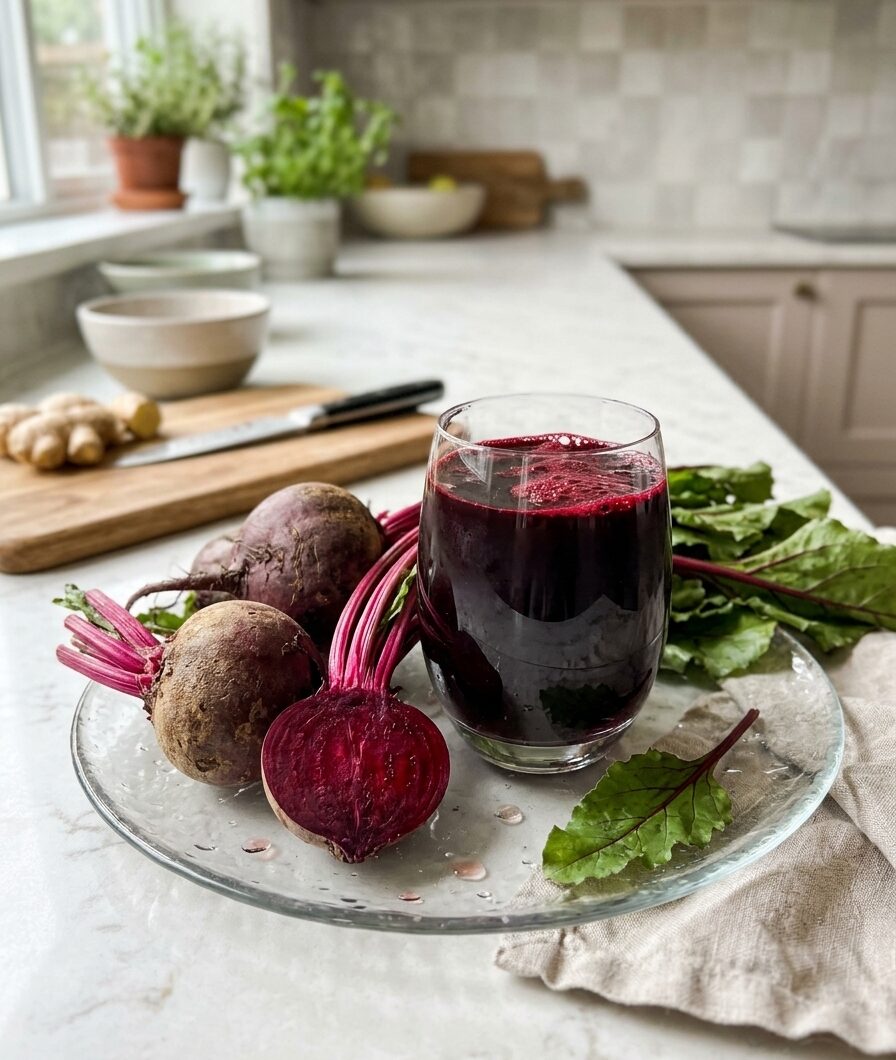
Beetroot Healthy Drink
 Recipe by admin1
A refreshing homemade beetroot juice made with red beetroot, apple, celery, carrot, lemon or lime, and ginger.
2
servings10
minutes10
minutesIngredients
1 small red Beetroot
1 large Apple (or 2 small apples)
2 Celery stalks
1-2 Carrots
1/2 Lemon or Lime
1/2 inch small piece of Ginger, peeled
Directions
- Wash all vegetables and fruits thoroughly under running water. Pat them dry before cutting and preparing them for the juicer.
- Peel and cut the beetroot into long slices. Cut the apple into long pieces and remove the core. Peel and cut the carrot into long pieces. Cut the celery into long pieces.
- Place a glass or suitable container underneath the nozzle of the juicer. Turn the machine on and make sure the container is positioned correctly to collect the fresh juice.
- Process the beetroot, apple, carrot, celery, and ginger alternately through the juicer. Do not add the lemon or lime at this stage.
- Squeeze the half lemon or lime into the prepared juice and stir thoroughly so the citrus flavor is evenly combined.
- Pour the fresh beetroot juice into a chilled serving glass. Serve immediately for the best fresh flavor and texture.
Notes
- Choose a small, firm beetroot for a fresh and balanced flavor.
- A sweet apple works particularly well, but you can use your preferred apple variety.
- Pure beetroot juice can have a strong earthy flavor, which is why this recipe combines it with fruit and other vegetables.
- Wash all produce thoroughly before juicing.
- If using organic produce, suitable fruit and vegetable skins may be left on after thorough washing.
- Serve the juice immediately after preparation for the freshest taste.
- Beetroot juice should be enjoyed as part of a balanced diet and should not replace prescribed medical treatment.