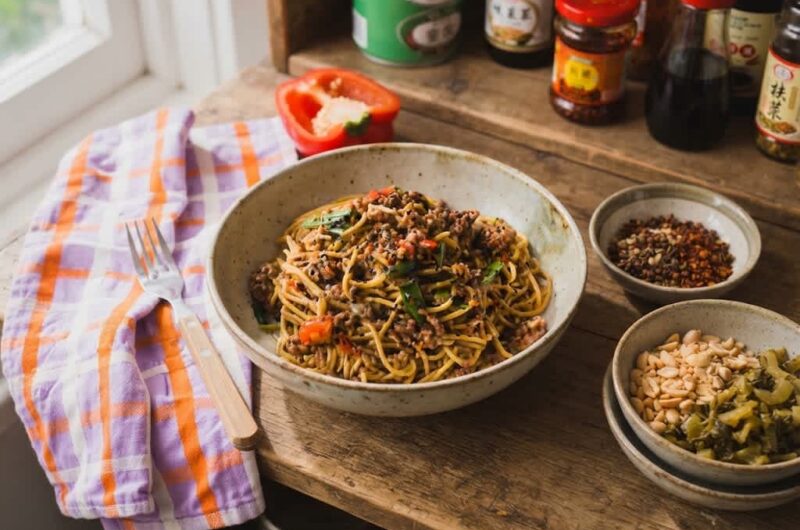
Sticky Mongolian Beef Noodles combine tender strips of beef, chewy noodles, crisp vegetables, and a glossy sweet-and-savory Mongolian sauce in one satisfying dinner. Garlic, fresh ginger, soy sauce, brown sugar, honey, hoisin sauce, sesame oil, and oyster sauce create a deeply flavored coating that clings beautifully to both the noodles and beef. Colorful bell peppers, carrots, broccoli, onions, and green onions add freshness and texture, turning this easy beef noodle recipe into a complete family meal.
This homemade Mongolian beef noodle recipe is especially appealing because it brings together several textures in every serving. Thinly sliced beef develops lightly browned edges in a hot skillet, while the noodles remain pleasantly chewy and absorb the sticky sauce. The vegetables are cooked only until slightly crisp, preventing the finished dish from becoming overly soft. A final sprinkle of sesame seeds and fresh green onions adds both flavor and an attractive restaurant-style finish.
Why You This Recipe Popular
Sticky beef noodles are an excellent option when you want something richer than an ordinary stir-fry but still practical enough for a weeknight dinner. The entire dish can be assembled in one large skillet or wok once the noodles are cooked. Beef provides a hearty base, noodles make the meal filling, and several vegetables bring additional color and texture without requiring separate side dishes.
The sauce is another reason this recipe stands out. It combines sweetness from brown sugar and honey with savory soy, oyster, and hoisin sauces. Rice vinegar brings a touch of acidity, while garlic and ginger provide plenty of aroma. Crushed red pepper flakes add gentle heat that can be adjusted according to preference. The result is a sticky Mongolian-style sauce with several complementary flavors rather than simple sweetness.
Choosing Beef for Mongolian Beef Noodles
The recipe allows several tender cuts, including flank steak, sirloin, and rump steak. Whichever cut you select, slicing technique matters just as much as the particular type of beef. The 700 grams of steak should be sliced into thin strips so the pieces brown quickly without requiring lengthy cooking.
For easier slicing, place the beef in the freezer for approximately 20 to 30 minutes. It should become firm rather than frozen solid. Then use a sharp knife to cut thin slices against the grain. Cutting across the visible muscle fibers shortens them, helping the cooked beef feel more tender when eaten.
Why Thinly Sliced Beef Works Best
Thin beef strips are particularly well suited to this quick Mongolian noodle recipe because they need only a short cooking time. A properly heated skillet can brown the outside rapidly while avoiding the prolonged cooking that can make lean beef tough.
Thick chunks would require considerably longer to cook through and would not distribute as evenly among the noodles and vegetables. Thin slices also provide more surface area for the cornstarch coating and sticky Mongolian sauce, so every bite receives more of the savory-sweet glaze.
Preparing Beef for a Tender Texture
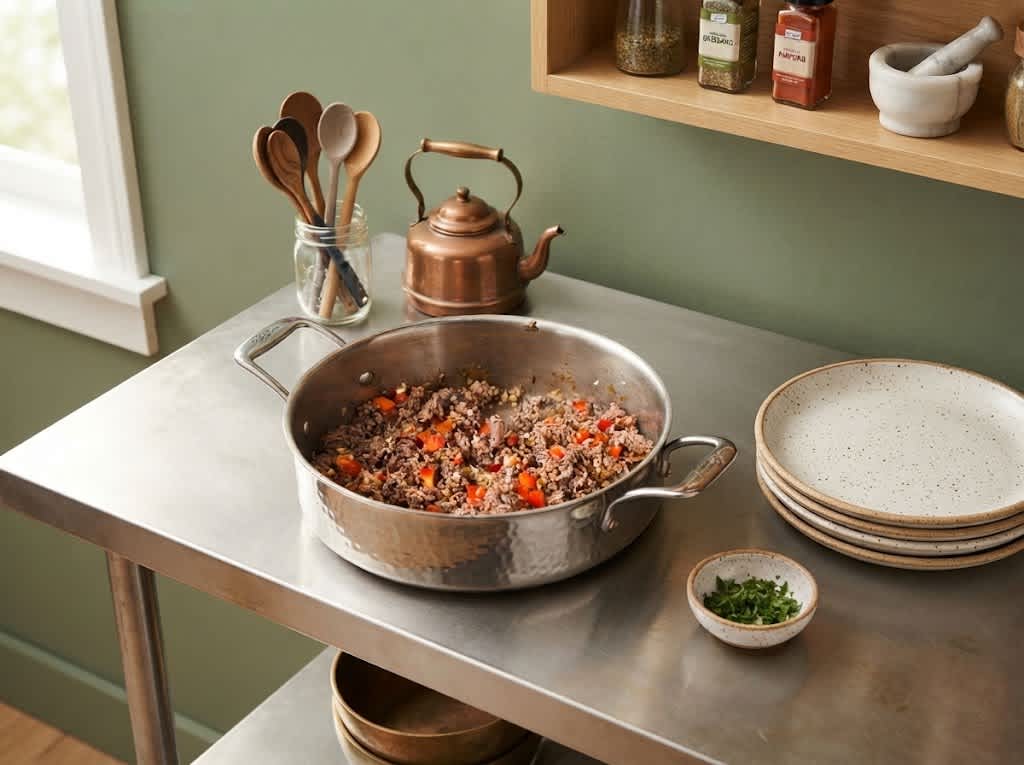
Place the sliced beef in a large bowl and add cornstarch, soy sauce, cooking oil, sesame oil, black pepper, and optional salt. Toss until the strips are lightly and evenly coated, then allow the beef to rest for approximately 15 to 20 minutes.
The two tablespoons of cornstarch are particularly useful. Rather than creating a heavy breading, the light coating helps the beef brown and provides a surface that works well with the thickened sauce. Avoid applying a thick layer; the beef should remain recognizable as lightly coated strips rather than breaded pieces.
Building the Sticky Mongolian Sauce
The sauce gives this beef noodle stir-fry its distinctive character. Combine low-sodium soy sauce, brown sugar, water, hoisin sauce, rice vinegar, sesame oil, oyster sauce, honey, minced garlic, grated ginger, crushed red pepper flakes, and black pepper. Whisk thoroughly so the brown sugar begins dissolving into the liquid.
Separately, mix one teaspoon of cornstarch with one tablespoon of cold water. This simple slurry is added later, after the sauce reaches a gentle simmer. Keeping it separate prevents the cornstarch from forming unwanted lumps and allows you to thicken the sauce at the correct stage of cooking.
What Makes Mongolian Sauce Sweet and Savory
Several ingredients work together to create the sauce rather than relying on one dominant flavor. Brown sugar and honey provide sweetness, while soy sauce, oyster sauce, and hoisin sauce contribute savory depth. Rice vinegar adds acidity that helps balance the sweeter ingredients.
Fresh garlic and grated ginger create a warm aromatic foundation, while sesame oil contributes its recognizable nutty fragrance. Finally, crushed red pepper flakes introduce heat. Using between half and one teaspoon allows the spice level to be adjusted without changing the overall character of the sauce.
Choosing Noodles for the Recipe
The recipe calls for 400 to 450 grams of noodles without limiting you to one particular variety. This makes the dish flexible when shopping or using ingredients already available at home. Lo mein noodles are a natural choice for stir-fried noodle dishes, while egg noodles provide a rich, satisfying texture.
Spaghetti can also be used when Asian-style noodles are unavailable. Udon creates a thicker and chewier result, rice noodles produce a lighter texture, and ramen noodles are another convenient option. If using instant ramen, discard the included seasoning packet because this recipe already contains a complete homemade sauce.
How to Cook Noodles Correctly
Bring a large pot of water to a boil, add one teaspoon of salt, and cook the noodles according to their package directions. Avoid cooking them until excessively soft because they will spend another few minutes in the skillet with the hot sauce, beef, and vegetables.
Once cooked, drain the noodles thoroughly. If the particular noodles you are using tend to stick together, the recipe permits one teaspoon of cooking oil. Use only a small amount, however, because excessive oil can make it more difficult for the sticky Mongolian sauce to cling to the noodles later.
Preparing the Vegetables
The vegetable mixture includes onion, red bell pepper, green bell pepper, carrot, broccoli, green onions, and optional shredded cabbage. Slice the vegetables before beginning the stir-fry because the cooking process moves quickly once the skillet becomes hot.
Aim for relatively even pieces, particularly with the peppers and carrots. Similar sizes encourage more consistent cooking. Broccoli florets should also be manageable enough to mix easily with the noodles. The goal is to soften the vegetables slightly while preserving some crispness rather than cooking them until completely tender.
How to Brown Beef Without Making It Tough
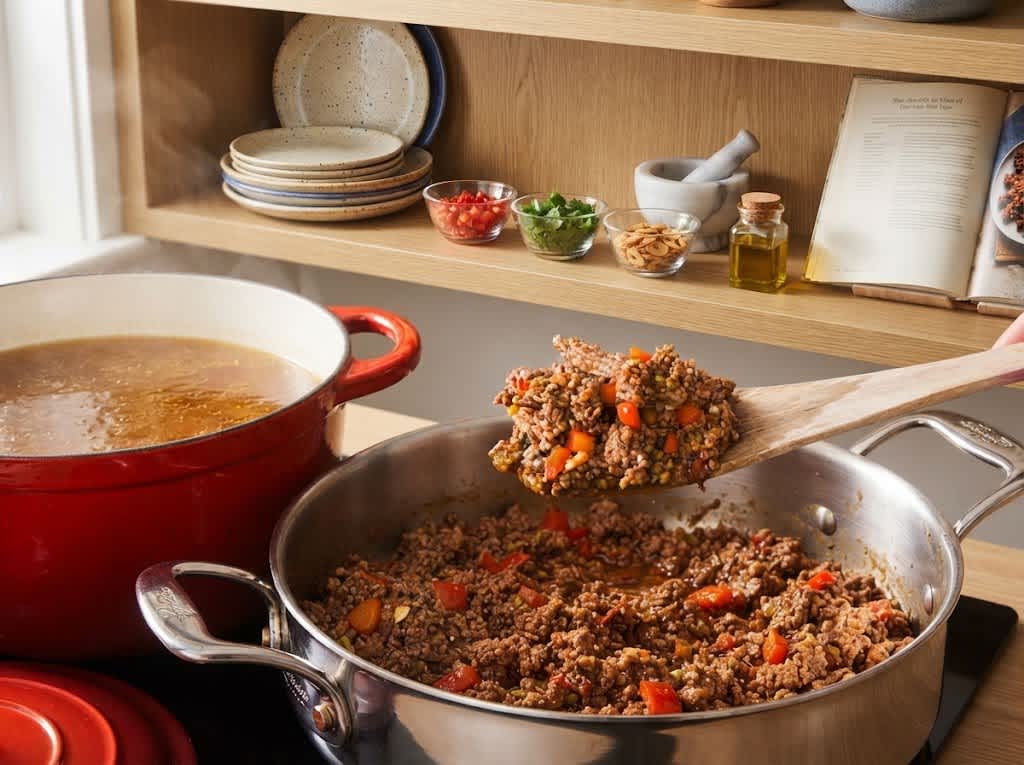
Heat a large wok, skillet, or heavy frying pan over medium-high to high heat. Let the cooking surface become properly hot before adding oil and beef. Arrange the strips in a single layer rather than piling them on top of each other.
Cook the first side for approximately 1½ to 2 minutes, then turn the beef and cook for roughly another minute. Transfer the cooked strips to a plate. If your skillet cannot comfortably hold all 700 grams in one layer, cook the meat in batches.
Why You Should Avoid Overcrowding the Skillet
Overcrowding is one of the easiest ways to lose the browned texture that makes Mongolian beef appealing. When too much cold meat enters the skillet at once, the cooking surface loses heat. Moisture released by the beef then collects in the pan and begins steaming the meat.
Cooking in smaller batches allows more pieces to make direct contact with the hot skillet. This encourages browning and lightly caramelized edges while keeping the cooking time relatively short. Do not worry about browned bits left in the skillet because they can contribute additional flavor when the sauce is added.
Stir-Frying the Vegetables
After removing the beef, add one tablespoon of cooking oil to the skillet as needed. Add the sliced onion, carrots, red and green bell peppers, and broccoli. Stir-fry over medium-high heat for approximately three to five minutes.
Keep the vegetables slightly crisp. This creates an important contrast with the tender beef and chewy noodles. If using the optional shredded cabbage, add it toward the end because thin cabbage cooks quickly. Add the green onions and toss briefly before moving on to the sauce.
Thickening the Mongolian Sauce
Reduce the heat slightly and pour the prepared sauce into the skillet with the vegetables. Bring it to a gentle simmer and cook for approximately two to three minutes. This gives the garlic and ginger time to become aromatic while the other sauce ingredients combine.
Stir the cornstarch slurry again immediately before using it because cornstarch settles quickly. Slowly pour it into the simmering sauce while stirring. Within one or two minutes, the liquid should become noticeably thicker and glossier. The ideal consistency should coat a spoon without becoming gummy or excessively thick.
Getting the Perfect Sticky Sauce Consistency
A successful sticky sauce should cling to the noodles and beef while remaining fluid enough to toss easily. Too thin, and most of the sauce collects at the bottom of the skillet. Too thick, and the noodles can feel heavy or gummy.
Avoid aggressively boiling the sauce for a long period. Soy sauce, oyster sauce, and hoisin sauce already contain strong savory flavors, and excessive reduction can make the final dish overly salty. A short simmer followed by the measured cornstarch slurry provides the intended glossy consistency.
Returning the Beef to the Sauce
Once the sauce has thickened, return the cooked beef to the skillet. Toss it with the vegetables and sauce until the strips are evenly coated. Allow everything to cook together for approximately one to two minutes.
This brief second cooking stage warms the beef and allows the sticky sauce to coat its browned surface. Avoid leaving it simmering for an extended period because the beef has already been cooked. Short final cooking helps preserve tenderness while still allowing all the flavors to come together.
Adding the Noodles
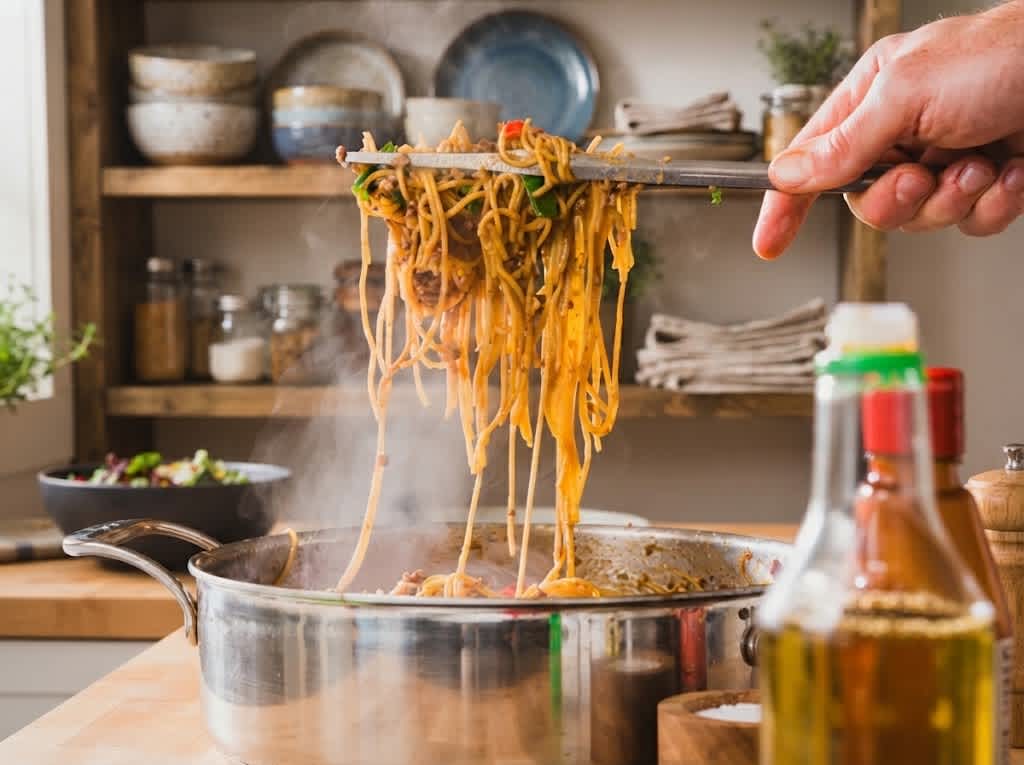
Add the drained noodles directly to the skillet. Using tongs or two large spoons, gently toss them with the beef, vegetables, and sauce. Continue tossing for approximately two to three minutes over medium-low heat.
The noodles should gradually become glossy as the Mongolian sauce coats their surfaces. Make sure the beef and vegetables are distributed throughout rather than remaining at the bottom or sitting entirely on top. If the noodles seem dry, the original instructions allow one or two tablespoons of warm water to loosen the mixture.
Balancing the Final Flavor
Taste the noodles before serving. Because several sauce ingredients contain salt, tasting before adding anything else is especially important. The sauce should have a noticeable balance of sweetness, saltiness, savory depth, mild acidity, and aromatic garlic and ginger.
If the flavor seems too concentrated, a small amount of water can loosen both the consistency and intensity. The source recipe also suggests small adjustments with soy sauce, honey or brown sugar, rice vinegar, or additional chili depending on the desired final balance. Make any adjustments gradually rather than changing several components at once.
Finishing Sticky Mongolian Beef Noodles
Turn off the heat and finish the noodles with sliced green onions and toasted sesame seeds. Toss gently one final time so these ingredients are distributed without losing their freshness.
For the optional final garnish, add additional green onions, sesame seeds, chili flakes, cilantro, or a very small drizzle of sesame oil. Serve immediately while the noodles are hot and the sauce remains glossy. The fresh green garnish creates an attractive contrast with the dark, sticky Mongolian sauce.
How to Make Mongolian Beef Extra Tender
Tender beef starts before the skillet is heated. Choose one of the recommended tender cuts and slice it thinly against the grain. Partially chilling the steak before cutting can make thin, even slices considerably easier to achieve.
Once cooking begins, keep the skillet hot and avoid moving every piece continuously. Allowing the beef some uninterrupted contact with the pan helps create browned edges. At the same time, keep the cooking period short. Thin beef does not need prolonged heat, and excessive cooking can make even a good cut noticeably tougher.
How to Keep the Noodles from Becoming Mushy
The noodles go through two stages of cooking: first in boiling water and then in the skillet. For that reason, they should not become overly soft during boiling. Cook them only until just tender according to the package instructions.
Drain them thoroughly before adding them to the skillet. Once combined with the sauce, toss only long enough to coat and heat them. This approach produces noodles that remain pleasantly chewy while still absorbing plenty of sticky Mongolian sauce.
Vegetable Variations
The supplied recipe also suggests several alternative vegetables, including snow peas, baby corn, mushrooms, zucchini, spinach, bean sprouts, and green beans. These can provide different textures when you want to vary the dish.
When making substitutions, consider how quickly each vegetable cooks. Firm vegetables need more time, while delicate vegetables such as spinach or bean sprouts should be added near the end. This prevents the entire vegetable mixture from becoming uniformly soft and maintains the appealing stir-fried texture.
Adjusting the Spice Level
The basic sauce contains half to one teaspoon of crushed red pepper flakes, allowing you to control the initial heat. Use the lower amount for a milder dinner or the full teaspoon when you prefer more noticeable warmth.
The source also suggests chili garlic sauce, sriracha, sambal oelek, chili oil, or dried red chilies as optional ways to increase heat. These are variations rather than part of the core ingredient list. For a family meal with different spice preferences, keeping the main skillet mild and offering chili separately can be practical.
Notes for the Best Mongolian Beef Noodles
Slice Beef Against the Grain
Thin slices cut across the muscle fibers are easier to chew and cook quickly.
Keep the Skillet Hot
High heat encourages browning rather than steaming. Cook the beef in batches when necessary.
Do Not Overcook the Noodles
Remember that the noodles cook again briefly when tossed with the hot Mongolian sauce.
Use Cold Water for the Cornstarch Slurry
Mixing cornstarch with cold water before adding it to the hot sauce prevents lumps.
Avoid Excess Cornstarch
The sauce should be glossy and sticky, not stiff or gummy.
Taste Before Adding Salt
Soy sauce, oyster sauce, and hoisin sauce already contribute substantial savory flavor.
Meal Prep and Storage
For advance preparation, the beef, vegetables, sauce, and noodles can be prepared separately. Keeping the noodles separate until reheating helps prevent them from absorbing too much sauce while refrigerated.
Leftovers can be stored in an airtight container in the refrigerator for up to three to four days according to the supplied recipe. When reheating in a skillet, add a small splash of water to loosen the sauce. Individual portions can also be microwaved in short intervals, stirring between each interval and avoiding excessive heating that could toughen the beef.
Can Sticky Mongolian Beef Noodles Be Frozen?
Freezing the completely assembled noodle dish is not considered ideal because cooked noodles may become softer after thawing. A better option is freezing the cooked beef and sauce separately.
The supplied recipe recommends cooling the beef and sauce completely, transferring them to freezer-safe containers, and freezing for approximately two to three months for best quality. Thaw overnight in the refrigerator, reheat in a skillet, and combine with freshly cooked noodles before serving.
Serving Suggestions
Sticky Mongolian Beef Noodles already contain beef, noodles, and vegetables, so they work well as a complete dinner without additional dishes. For a larger meal, they can be served alongside steamed broccoli, cucumber salad, spring rolls, dumplings, or simple stir-fried vegetables.
A small serving of pickled cucumber can provide a refreshing contrast to the sweet and savory sauce. For presentation, garnish individual bowls with toasted sesame seeds and sliced green onions. Optional cilantro, chili flakes, fresh chilies, or lime can provide additional color and freshness.
Common Mistakes to Avoid
Cutting the beef too thick is one common problem because larger pieces require longer cooking and can become tougher. Overcrowding the skillet is another issue because the beef releases moisture and steams rather than developing browned edges.
Overcooked noodles can become mushy once combined with the hot sauce, while too much cornstarch can make the sauce unpleasantly thick. Finally, consider the different cooking times of the vegetables. Carrots and broccoli need more time than green onions or shredded cabbage, so adding everything simultaneously may create uneven textures.
Creating a Restaurant-Style Finish
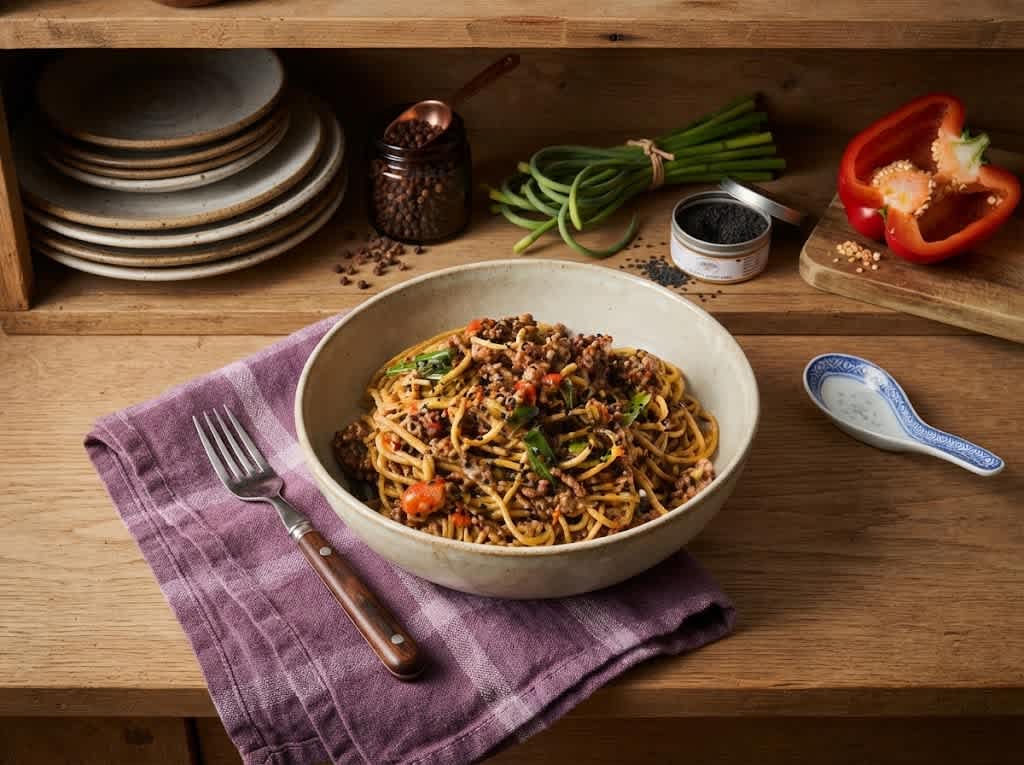
For attractive presentation, place a generous portion of glossy noodles in the center of a serving bowl or plate and make sure several pieces of beef remain visible. Distribute the colorful vegetables around the noodles rather than hiding them underneath.
Finish with sesame seeds and thinly sliced green onions. A few chili flakes can provide color if desired, while a tiny drizzle of sesame oil adds aroma. Keep garnishing simple so the glossy sauce, browned beef, and noodles remain the main visual features of the dish.
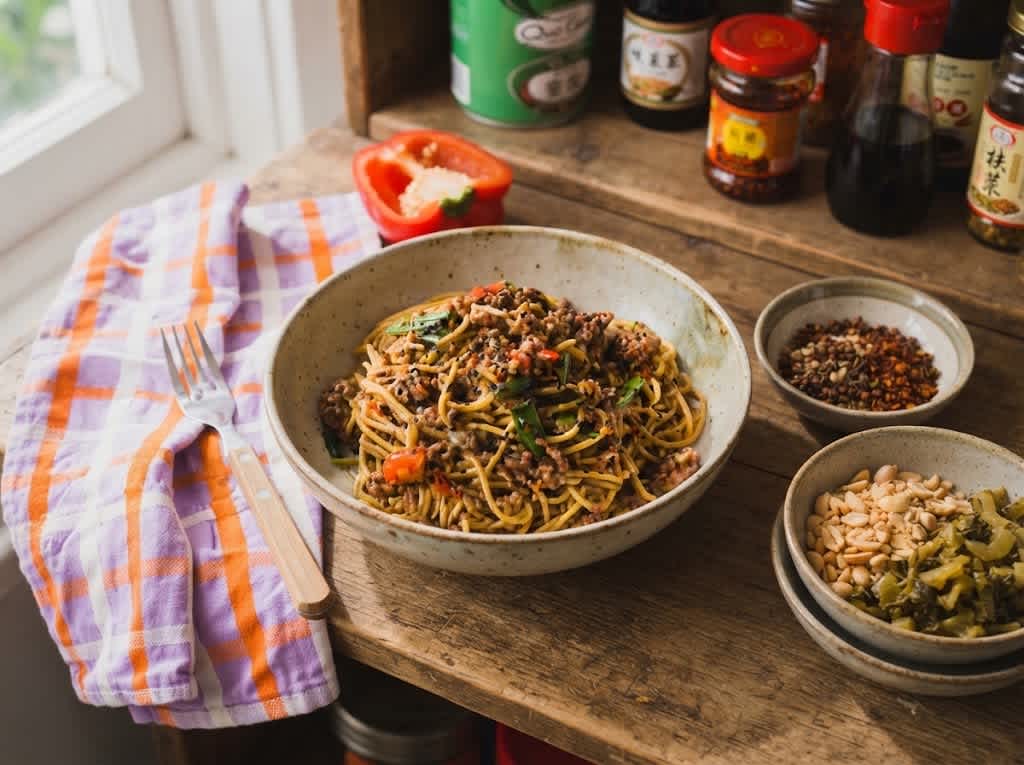
Sticky Mongolian Beef Noodles
Tender beef strips, chewy noodles, and crisp vegetables tossed in a glossy sweet-and-savory Mongolian sauce flavored with garlic, ginger, sesame, and mild chili.
4
servings25
minutes20
minutes15
minutes1
hourIngredients
- For the Beef
700 g thinly sliced beef steak
2 tablespoons cornstarch
1 tablespoon soy sauce
1 tablespoon cooking oil
1 teaspoon sesame oil
½ teaspoon black pepper
¼ teaspoon salt, optional
- For the Sticky Mongolian Sauce
½ cup low-sodium soy sauce
⅓ cup brown sugar
¼ cup water
2 tablespoons hoisin sauce
1 tablespoon rice vinegar
1 tablespoon sesame oil
1 tablespoon oyster sauce
1 tablespoon honey
5 garlic cloves, minced
1 tablespoon grated fresh ginger
½–1 teaspoon crushed red pepper flakes
½ teaspoon black pepper
1 teaspoon cornstarch
1 tablespoon cold water
- For the Noodles
400–450 g noodles
Water, for boiling
1 teaspoon salt
1 teaspoon cooking oil, optional
- For the Vegetables
1 tablespoon cooking oil
1 medium onion, thinly sliced
1 red bell pepper, thinly sliced
1 green bell pepper, thinly sliced
1 medium carrot, julienned or thinly sliced
1 cup broccoli florets
3–4 green onions, sliced
1 cup shredded cabbage, optional
- For Garnishing
2 green onions, thinly sliced
1 tablespoon toasted sesame seeds
1 teaspoon chili flakes, optional
Fresh cilantro, optional
Small drizzle sesame oil, optional
Directions
- Marinate Beef
Toss beef with cornstarch, soy sauce, oil, sesame oil, pepper, and optional salt. Rest 15–20 minutes. - Make Sauce
Whisk all sauce ingredients except the cornstarch and cold water. Separately mix cornstarch with cold water. - Cook Noodles
Boil noodles until just tender. Drain and set aside. - Brown Beef
Cook beef in a hot oiled skillet for about 2–3 minutes, working in batches if needed. Remove. - Cook Vegetables
Stir-fry onion, carrot, peppers, and broccoli for 3–5 minutes. Add cabbage and green onions near the end. - Thicken Sauce
Pour in sauce and simmer 2–3 minutes. Stir in cornstarch slurry until glossy and slightly thick. - Add Beef
Return beef and toss with the sauce for 1–2 minutes. - Add Noodles
Add noodles and toss over medium-low heat for 2–3 minutes until evenly coated. - Garnish
Finish with green onions, sesame seeds, and optional garnishes. Serve immediately.