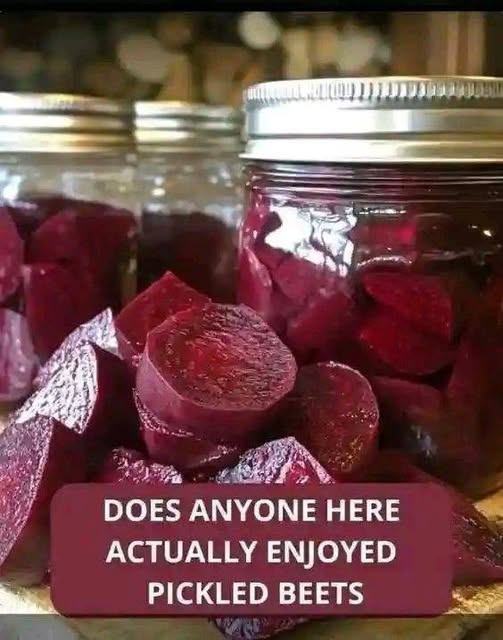
Pickled beetroot is a classic preserve made by cooking fresh beets until tender and storing them in a sweet and tangy vinegar brine. The result is earthy, slightly sweet, mildly acidic beetroot that can be served with salads, sandwiches, roasted meats, burgers, cheese boards, or grain dishes.
This long-form recipe includes detailed preparation methods, sterilization instructions, storage guidance, and flavor variations for reliable homemade pickled beetroot.
Ingredients
For the Beetroot
- 2 kg fresh beetroot
- Water for boiling
- 1 tablespoon salt
For the Pickling Liquid
- 4 cups white vinegar
- 1 cup apple cider vinegar
- 1 1/2 cups granulated sugar
- 1 tablespoon salt
- 1 teaspoon black peppercorns
- 1 teaspoon mustard seeds
- 4 whole cloves
- 2 bay leaves
- 1 small cinnamon stick
- 3 garlic cloves, lightly crushed
- 1 small onion, thinly sliced
Equipment Needed
- Large cooking pot
- Sharp knife
- Cutting board
- Colander
- Saucepan
- Glass jars with lids
- Tongs
- Funnel (optional)
- Clean kitchen towels
Choosing the Beetroot
For the best pickled beetroot:
- Choose firm, smooth beets
- Avoid soft spots or shriveled skin
- Medium-sized beetroot tends to have the best texture
- Fresh beets with healthy greens are usually the freshest
Different beet varieties can be used:
- Deep red beets for traditional flavor
- Golden beets for milder sweetness
- Chioggia beets for striped appearance
Step 1: Wash the Beetroot
Place the beetroot in a sink or large bowl.
Rinse thoroughly under cold water to remove soil and debris.
Do not peel the beetroot before boiling.
Trim the leafy tops, leaving about 1 inch of stem attached. Leave the root tail intact if possible. This helps reduce color bleeding during cooking.
Step 2: Cook the Beetroot
Place the cleaned beetroot into a large pot.
Cover completely with water.
Add:
- 1 tablespoon salt
Bring to a boil over medium-high heat.
Reduce heat and simmer gently.
Cooking time depends on size:
- Small beets: 30–40 minutes
- Medium beets: 45–60 minutes
- Large beets: 60–90 minutes
The beetroot is ready when a knife slides easily into the center.
Do not overcook, as overly soft beetroot may fall apart during pickling.
Step 3: Cool and Peel
Drain the cooked beetroot in a colander.
Allow them to cool until comfortable to handle.
Rub the skins gently using your fingers or paper towels. The skins should slip off easily.
Wear gloves if desired because beetroot juice can stain hands.
Trim away stems and root ends.
Step 4: Slice the Beetroot
Cut the peeled beetroot into your preferred shape:
- Thin slices
- Thick slices
- Wedges
- Cubes
Uniform pieces help ensure even pickling.
Set aside while preparing the brine.
Step 5: Sterilize the Jars
Proper sterilization helps preserve freshness and safety.
Oven Method
- Wash jars and lids thoroughly in hot soapy water.
- Rinse well.
- Place jars upright on a baking tray.
- Heat in a 250°F (120°C) oven for 15 minutes.
For lids:
- Do not bake lids with rubber seals.
- Place them in hot water instead.
Keep jars warm until filling.
Step 6: Prepare the Pickling Brine
In a large saucepan combine:
- White vinegar
- Apple cider vinegar
- Sugar
- Salt
- Peppercorns
- Mustard seeds
- Cloves
- Bay leaves
- Cinnamon stick
- Garlic
- Onion
Bring the mixture to a gentle boil over medium heat.
Stir occasionally until the sugar fully dissolves.
Reduce heat and simmer for 10 minutes to develop flavor.
The kitchen will smell sweet, spicy, and tangy.
Step 7: Pack the Jars
Carefully place sliced beetroot into the sterilized jars.
Do not pack too tightly.
Leave about 1/2 inch of space at the top.
Using a ladle or funnel, pour the hot pickling liquid over the beetroot.
Ensure the beetroot is completely covered by liquid.
Distribute onions and spices evenly among jars if desired.
Remove trapped air bubbles by sliding a clean knife around the inside edge.
Wipe jar rims clean with a damp cloth.
Seal tightly with lids.
Step 8: Cooling and Sealing
Allow jars to cool at room temperature.
As they cool, some lids may form a vacuum seal with a popping sound.
Once fully cooled:
- Label jars with the date
- Store in a cool, dark place
Step 9: Maturing the Flavor
For best flavor:
- Wait at least 5–7 days before opening
- Two weeks is even better
This resting time allows the beetroot to absorb the vinegar and spice flavors fully.
Serving Ideas
Pickled beetroot pairs well with:
- Roast beef
- Sandwiches
- Burgers
- Salads
- Goat cheese
- Feta cheese
- Grilled chicken
- Cold meat platters
- Rice bowls
- Potato salads
It can also be chopped into dips or blended into dressings.
Storage Information
Unopened Jars
Store in a cool dark pantry for up to 1 year if properly sealed and sterilized.
Opened Jars
After opening:
- Refrigerate immediately
- Use within 3–4 weeks
Always use clean utensils when removing beetroot from the jar.
Flavor Variations
Sweet Pickled Beetroot
Increase sugar to 2 cups for a sweeter preserve.
Spicy Pickled Beetroot
Add:
- 1 teaspoon chili flakes
- Fresh sliced chili peppers
Herbal Version
Add:
- Fresh thyme
- Rosemary
- Dill
Honey Beetroot
Replace part of the sugar with honey.
Balsamic Pickled Beetroot
Replace 1 cup vinegar with balsamic vinegar for deeper flavor.
Troubleshooting
Beetroot Too Soft
Cause:
- Overcooking
Solution:
- Reduce boiling time next batch
Too Vinegary
Cause:
- Excess vinegar or insufficient sugar
Solution:
- Balance with additional sugar next time
Cloudy Brine
Cause:
- Impure water or starch residue
Usually harmless if jars were properly sterilized.
Floating Beetroot
Normal in some jars. Ensure pieces remain covered by liquid.
Helpful Tips
- Smaller beets often taste sweeter.
- Use non-reactive cookware when handling vinegar.
- Allow flavors time to mature before eating.
- Label jars clearly with preparation dates.
- Beet stains can be cleaned using lemon juice or baking soda.
- Chill before serving for best flavor.
Yield
This recipe makes approximately:
- 4 to 6 medium jars
Depending on beet size and jar capacity.